Engineering the Energy Evolution: Strategic Shifts in the Global Oil & Gas Engineering Services Market

The global energy landscape is currently navigating a sophisticated paradox: a relentless demand for traditional hydrocarbons paired with an urgent mandate to decarbonize. At the intersection of this challenge is the Oil & Gas Engineering Services Market, a sector that has transitioned from providing purely mechanical solutions to becoming the architect of the "digital oilfield." As we progress through 2026, engineering service providers are no longer just building infrastructure; they are designing intelligent, resilient ecosystems. By integrating artificial intelligence, real-time data analytics, and carbon-capture technologies, these firms are enabling operators to extend the life of brownfield assets while pioneering greenfield projects that align with a net-zero future.
The Digital Transformation of Service Delivery
One of the most profound shifts in the market is the total integration of digital engineering. The industry has moved beyond basic CAD models to embrace high-fidelity digital twins—virtual replicas of physical assets like offshore platforms or complex refineries. These twins allow engineers to simulate stress tests, optimize flow dynamics, and predict equipment failures before they occur in the physical world. This shift has fundamentally changed the value proposition of engineering services. Instead of reactive maintenance, providers now offer proactive asset integrity management, significantly reducing non-productive time and lowering the total cost of ownership for operators.
Furthermore, the adoption of generative AI and machine learning is streamlining the early-stage design and FEED (Front-End Engineering Design) phases. Engineering firms can now process decades of historical project data to automatically generate optimized layouts for subsea pipelines or processing facilities. This not only shortens project lead times by months but also ensures that designs are inherently safer and more material-efficient, reducing the overall carbon footprint of construction.
Upstream Resilience and the "Lean" Engineering Model
Despite the broader energy transition, the upstream sector remains a significant driver of engineering demand. However, the nature of these projects has changed. In 2026, the focus is on "lean" engineering—maximizing output from existing reservoirs with minimal capital expenditure. Engineering services are being utilized to implement advanced enhanced oil recovery (EOR) techniques and to design modular subsea production systems that can be rapidly deployed and tied back to existing infrastructure.
In regions like North America and Latin America, engineering providers are specializing in deepwater and unconventional shale engineering. These environments require highly specialized services, including automated drilling systems and real-time geosteering. By utilizing remote operations centers, engineering firms can now provide expert oversight for drilling operations halfway across the globe, enhancing safety by keeping personnel out of high-risk environments while ensuring that every wellbore is placed with surgical precision.
Midstream and Downstream: Modernization for a New Era
The midstream and downstream segments are witnessing a surge in modernization projects. Aging pipeline networks in Europe and North America are being retrofitted with smart sensors and IoT-enabled leak detection systems, a service area that has grown rapidly due to tightening environmental regulations. Engineering firms are tasked with the complex challenge of integrating these digital overlays onto decades-old infrastructure without disrupting critical fuel supplies.
In the downstream sector, the trend is toward "refinery of the future" concepts. This involves the engineering of integrated petrochemical complexes that can pivot production between traditional fuels and high-value chemicals. Additionally, many engineering service providers are now leading the charge in "blue hydrogen" projects, where traditional refining processes are coupled with carbon capture and storage (CCS) units. This transformation of the refinery into a multi-product, low-emission hub is a key growth area for engineering consultants and EPC (Engineering, Procurement, and Construction) firms.
Sustainability as a Competitive Advantage
Sustainability has evolved from a compliance requirement to a core business strategy for engineering service providers. The market is increasingly rewarding firms that can demonstrate expertise in methane abatement, electrification of offshore platforms, and the integration of renewable energy into oil and gas operations. For instance, engineering services are now frequently used to design "wind-to-platform" power systems, where offshore wind farms provide the electricity for oil extraction, significantly reducing the operational carbon intensity of the project.
This focus on the environment is also driving a boom in decommissioning services. As legacy assets in the North Sea and the Gulf of Mexico reach the end of their productive lives, engineering firms are providing the specialized technical expertise required for the safe and environmentally responsible removal of massive structures. This "end-of-life" engineering is becoming a stable, high-value segment of the market as regulatory pressure on asset retirement intensifies.
Regional Dynamics and Global Strategy
The Middle East and Asia-Pacific regions continue to serve as the high-volume engines of the market. In the Middle East, massive investments in gas processing and LNG export terminals are driving demand for world-class engineering expertise. Meanwhile, in Asia-Pacific, the focus is on energy security, with China and India investing heavily in strategic petroleum reserves and integrated refinery networks.
Conversely, the North American and European markets are the leaders in technological innovation. These regions serve as the testing grounds for the latest digital tools and decarbonization strategies, which are then exported to the rest of the world. This interplay between high-volume production in the East and high-tech innovation in the West creates a dynamic, interconnected global market for engineering services.
The Path Forward
The future of the oil and gas engineering services sector is one of convergence. By 2030, the distinction between an "oil and gas" engineer and a "data scientist" or "sustainability expert" will continue to blur. As the industry strives for maximum efficiency and minimum impact, the engineering firms that can master the complexities of both molecules and bits will lead the way. The mission remains clear: to provide the energy the world needs while engineering the cleaner processes the planet demands.
Frequently Asked Questions
How is AI currently being used in oil and gas engineering services? AI is primarily used for predictive maintenance and design optimization. Engineering firms use machine learning to analyze sensor data from assets to predict when a component might fail, preventing costly shutdowns. It is also used in the design phase to run thousands of simulations to find the most efficient and safe layout for new facilities.
What is a "Digital Twin" and why is it important for this market? A digital twin is a highly accurate virtual replica of a physical asset, such as a refinery or an oil rig. It is important because it allows engineers to monitor performance in real-time, test potential changes in a risk-free virtual environment, and train operators more effectively, all of which lead to safer and more efficient operations.
How does the energy transition affect traditional oil and gas engineering firms? Traditional firms are diversifying their services to include carbon capture, hydrogen production, and renewable energy integration. Rather than moving away from oil and gas, they are engineering "cleaner" ways to extract and process hydrocarbons while leveraging their subsea and pipeline expertise to build the infrastructure required for the new energy economy.
More Trending Reports on Energy & Power by Market Research Future
Natural Gas Refueling Infrastructure Market Size
Offshore Oil And Gas Upstream Market Size
Κατηγορίες
Διαβάζω περισσότερα
The thing that resonated the most was this love for the nostalgia of Everybody had this story about their first sweater or ordering from the cat this emotional tie I had no idea existed. We started to tap into that, and I realized how important the heritage was. As I browsed through the Hermes very long list of tops, bottoms, and dresses currently up 70 percent off, I was surprised to see not...

Petroleum engineering tools encompass a wide range of equipment and technologies used in the exploration and production of oil and gas. These tools are essential for analyzing reservoir conditions, optimizing drilling processes, and improving overall efficiency. The growing focus on sustainable and efficient resource extraction is driving the demand for advanced petroleum engineering tools....

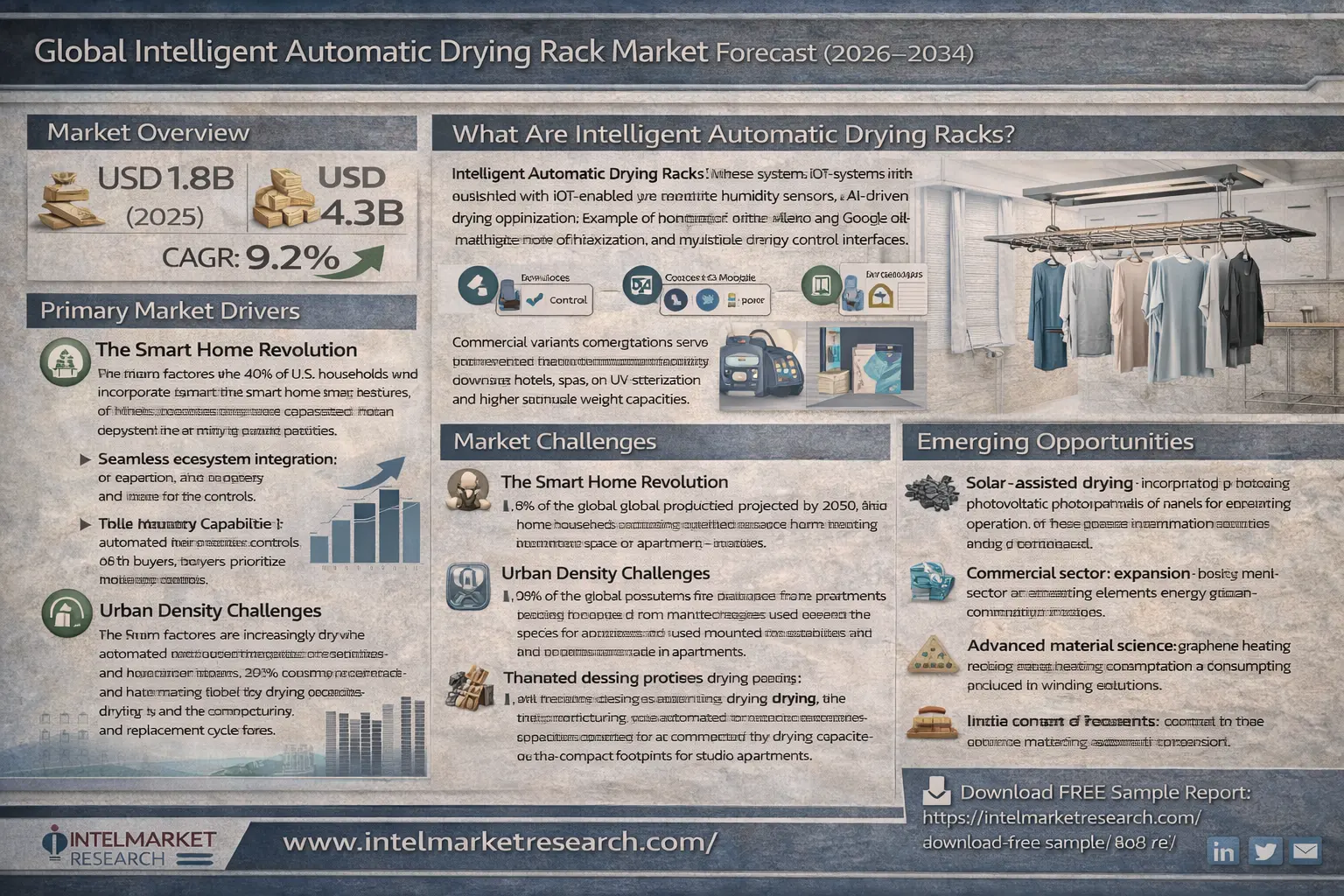
According to new market intelligence from Intel Market Research, Global Intelligent Automatic Drying Rack market reached a valuation of USD 1.8 billion in 2025 and is forecast to accelerate to USD 4.3 billion by 2034, expanding at a steady CAGR of 9.2% from 2026 to 2034. This growth trajectory reflects fundamental shifts in consumer lifestyles, urbanization patterns, and smart home adoption...
"Executive Summary Radiology Market Opportunities by Size and Share CAGR Value The global Radiology market was valued at USD 31.86 billion in 2024 and is expected to reach USD 51.55 billion by 2032. During the forecast period of 2025 to 2032 the market is likely to grow at a CAGR of 6.20% Radiology Market research report is a verified and consistent source of information that...

شهدت السنوات الأخيرة طفرة كبيرة في تصميم واجهات المباني، وأصبح الكلادينج واحدًا من أهم الخامات التي يعتمد عليها المهندسون والمصممون المعماريون في إظهار الواجهات بشكل حديث وعملي في نفس الوقت. فنظام الكلادينج لا يُعتبر مجرد عنصر جمالي فقط، بل هو حل متكامل لتغطية الواجهات وحمايتها من العوامل الجوية، مع توفير مستوى جيد من العزل ومقاومة الحريق في بعض الأنواع. وقد انتشرت في مصر عشرات الشركات التي...