How to Adapt Henna Motifs for Men's Grooming Trends Like Beard Detailing or Hand Accents
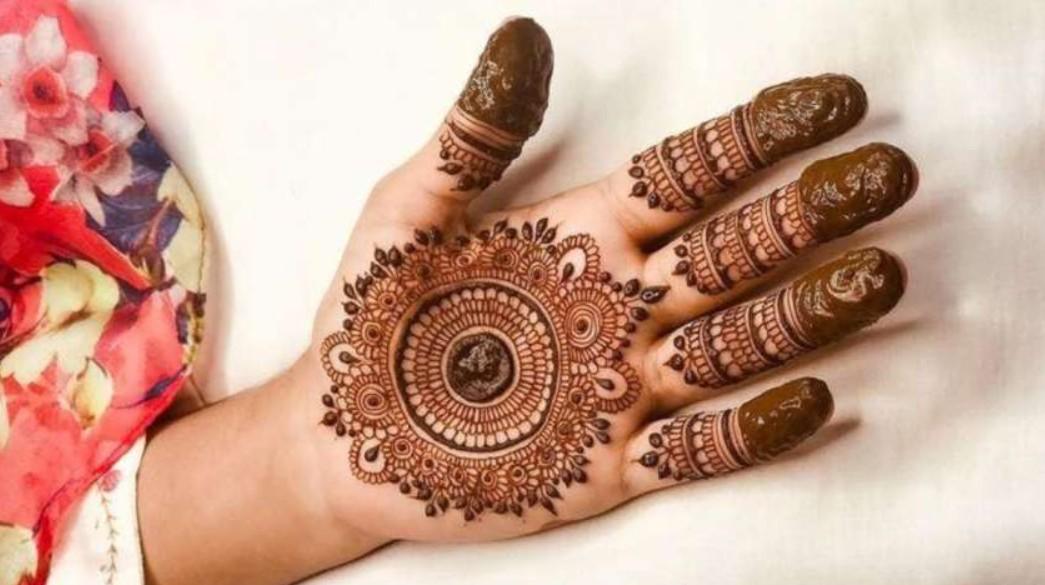
The world of beauty and self-expression is undergoing a significant transformation, breaking away from traditional gender norms to embrace a more inclusive approach to grooming. Henna, an ancient art form traditionally associated with bridal celebrations and feminine adornment, is now finding a bold new audience in the men's grooming sector. As men increasingly seek unique ways to personalize their appearance—whether through intricate beard detailing or striking hand accents—henna offers a natural, temporary, and culturally rich alternative to permanent tattoos. This shift requires a specialized understanding of design and application.
Redefining the Aesthetic: From Floral to Geometric
The primary challenge in adapting henna for men's grooming lies in the transition of motifs. Traditional henna often features fluid, floral, and vine-like patterns that symbolize fertility and joy. To align with modern masculine trends, artists are shifting toward geometric shapes, bold lines, and tribal-inspired architecture. Think of the sharp angles found in Polynesian tattoos or the mathematical symmetry of sacred geometry. These motifs complement the natural structure of a man's hands or the sharp lines of a well-groomed beard. By focusing on thicker lines and negative space, the henna takes on a more "inked" look that appeals to the contemporary man. Understanding the chemistry of the paste and how it interacts with different skin textures is a core component of a high-quality henna course, ensuring the stain remains crisp and dark on thicker skin.
Beard Detailing: The New Frontier of Facial Art
Beard culture has exploded over the last decade, with men investing significant time and money into the perfect trim. Henna is now being used to enhance this focal point through beard detailing and skin staining beneath the hair to create an illusion of greater density. This application requires extreme precision; the motifs must be subtle enough to blend with the natural hair growth while providing a defined edge to the beard line. Some men opt for small, symbolic icons hidden within the beard area, while others use henna to darken patches where hair might be thinner. Because the facial skin is more sensitive than the hands or feet, practitioners must be well-versed in natural ingredients and safety protocols. This specialized knowledge is a major highlight for anyone taking a professional henna course, as it covers the vital "do's and don'ts" of facial application.
Hand Accents and the Modern Professional
While full-hand "mehendi" remains a staple of traditional ceremonies, the modern man often prefers "accents"—singular, powerful designs located on the knuckles, the side of the palm, or the wrist. These designs often mimic the look of a watch strap or a signet ring, providing a sophisticated touch of ornamentation that fits both casual and professional environments. The key to successful hand accents for men is restraint. A single, well-placed geometric knot or a minimalist band can convey a sense of mystery and style without overwhelming the hand's natural appearance. Mastering the art of placement and scale is essential for any artist. Through a dedicated henna course, students learn how to analyze anatomy to ensure that the design moves naturally with the body, preventing the motif from looking distorted during daily activities.
The Ritual of Application: A Moment of Stillness
Beyond the visual result, the process of applying henna is becoming a sought-after experience for men who value mindfulness. The cool sensation of the paste and the requirement to sit still for thirty to sixty minutes offer a rare break from the digital noise of modern life. This "grooming ritual" is increasingly seen as a form of therapy. Many artists are now curious about what mindfulness or meditation practices can be integrated into the henna application process to enhance the client's experience. By turning a grooming appointment into a meditative session, the artist provides more than just a design; they provide a mental reset. This holistic approach to the craft is something that advanced practitioners explore after completing their basic henna course, as it adds a layer of premium service to their portfolio.
Longevity and Aftercare in Active Lifestyles
Men’s grooming trends often intersect with active lifestyles, involving frequent gym sessions, swimming, or outdoor manual work. This presents a unique challenge for henna longevity, as sweat and friction can cause the stain to fade prematurely. Adapting henna for men means educating the client on specific aftercare that fits their routine. Using natural balms and avoiding harsh exfoliants on the decorated areas are crucial tips. Artists must also understand how to mix their paste for maximum "stain power" to ensure the design lasts through a week of intense activity. The technical side of paste formulation—balancing essential oils like eucalyptus and clove for a deep mahogany finish—is a technical skill refined in a professional henna course. Providing this level of expertise builds trust and keeps clients returning for new designs.
Cultural Appreciation and Global Trends
As henna for men moves into the mainstream, it is vital to maintain a respect for the cultural roots of the art form. Many men are drawn to henna because of its history in North African, Middle Eastern, and South Asian cultures, where it has been used by warriors and poets alike for centuries. By educating clients on the history of the motifs they choose, grooming professionals add a layer of depth to the service. This global perspective is an integral part of a modern henna course, where students are encouraged to study the origins of different styles before adapting them for contemporary trends.
Categorias
Leia mais
The global folliculitis market size was valued at USD 1.98 billion in 2024 and is expected to reach USD 3.12 billion by 2028, growing at a CAGR of 5.81% during the forecast period. The global business landscape is undergoing a transformation, with industries increasingly leaning on deep research and actionable insights to make strategic decisions. One segment seeing...

Adaptive and responsive actuators are essential for applications requiring dynamic performance and flexibility. The demand for such actuators is rising as industries focus on automation and improved performance. The market for adaptive and responsive actuators is anticipated to grow, supported by innovations in shape memory alloy technology that enhance actuator capabilities. The shape memory...
According to a new report from Intel Market Research, Global Prime Cinema Lenses market was valued at USD 715 million in 2026 and is projected to reach USD 916 million by 2034, growing at a steady CAGR of 3.7% during the forecast period. This growth is propelled by the booming demand for high-resolution content production, expansion of streaming platforms, and technological advancements in...

As per MarkNtel Advisors The Global Water Pumps in Power Industry size was valued at around USD 4.12 billion in 2024 and is projected to reach USD 4.52 billion by 2030. Along with this, the market is estimated to grow at a CAGR of around 1.9% during the forecast period, i.e., 2025-30. Global Water Pumps in Power Market Systems Market Outlook: The Russian...
The Sports Analytics market report provides an in-depth analysis of the global Sports Analytics market, comprising the overall market synopsis, classifications, applications, definitions, and industry chain structure. The report will offer significant insight while shedding light on the key players [CAE Inc., Moog Inc., Siemens AG, Dassault Systems SA, Laerdal Medical...