The Architecture of Power: Navigating the Era of High-Efficiency Inverters

As we move through 2026, the global push for decarbonization and energy autonomy has turned High-efficiency inverters into the most critical infrastructure assets of the modern age. No longer seen as simple boxes that flip current, today’s inverters have evolved into sophisticated "energy brains" capable of orchestrating the complex interplay between volatile renewable sources, high-capacity battery storage, and the traditional utility grid. This year, the industry has reached a tipping point where efficiency is no longer a luxury but a baseline requirement for economic viability. Driven by the mainstream adoption of Wide Bandgap (WBG) semiconductors and the integration of Agentic AI, high-efficiency inverters are now the primary enablers of 800V electric vehicle architectures, multi-gigawatt solar farms, and the hyper-efficient data centers powering the world’s generative AI revolution.
The Silicon Carbide and Gallium Nitride Revolution
The most significant technical dynamic of 2026 is the decisive shift away from traditional silicon in favor of Silicon Carbide (SiC) and Gallium Nitride (GaN). For decades, silicon was the workhorse of the industry, but its thermal limitations meant that significant energy was wasted as heat during the conversion process. In the 2026 market, SiC-based inverters have become the gold standard for high-voltage applications. By switching at much higher frequencies with near-zero resistance, these materials allow for a massive reduction in the size of passive components like inductors and capacitors.
This miniaturization is particularly visible in the electric vehicle sector. Modern 800V EV powertrains now utilize SiC inverters to achieve conversion efficiencies exceeding ninety-nine percent. This translates directly to longer driving ranges and "ultra-fast" charging capabilities that can refill a battery in the time it takes to grab a coffee. In 2026, the efficiency of the inverter is arguably more important than the capacity of the battery itself, as it dictates how much of that stored energy actually makes it to the wheels.
Grid-Forming Intelligence and Renewable Stability
On the utility scale, 2026 has introduced the era of the "Grid-Forming" inverter. As solar and wind power become the dominant sources of electricity in many nations, the grid has lost the "mechanical inertia" once provided by the massive spinning turbines of coal and gas plants. To prevent blackouts caused by frequency fluctuations, the latest generation of high-efficiency inverters uses advanced software algorithms to mimic that physical inertia.
These intelligent systems do more than just follow the grid; they help build and stabilize it. In 2026, a high-efficiency inverter can detect a voltage dip in milliseconds and inject precise amounts of reactive power to keep the network balanced. This level of "Grid Intelligence" is essential for the 2026 energy landscape, where decentralized microgrids and virtual power plants are becoming the norm. The inverter has effectively become a digital governor for the planet’s energy supply, ensuring that the transition to green power does not come at the cost of reliability.
The Rise of the Smart Home Energy Hub
At the residential level, the 2026 market is being reshaped by the "All-in-One" hybrid inverter. These devices are the nerve centers of the modern home, managing energy from rooftop solar, stationary storage batteries, and electric vehicles simultaneously. This year, the focus has shifted toward "Prescriptive Energy Management," where the inverter uses AI to analyze weather forecasts and real-time electricity pricing.
If the system predicts a cloudy afternoon or a spike in grid prices, it will autonomously decide to charge the home battery or even sell stored energy back to the grid to maximize profit. This "prosumer" model is only possible because of the extreme efficiency of the conversion hardware. In 2026, homeowners are seeing their return on investment for solar installations shorten by years, simply because the latest inverters lose so little energy during the constant cycling of power between the sun, the battery, and the house.
Cybersecurity and the Digital Shield
As inverters become more connected and intelligent, the dynamic of "Digital Security" has moved to the forefront in 2026. Because modern high-efficiency inverters are software-defined, they represent a potential entry point for cyber threats to the energy grid. The 2026 industry has responded with "Hardened Inverter Architectures" that feature built-in encryption and hardware-level security modules.
These systems are capable of receiving encrypted "over-the-air" updates to improve efficiency or patch vulnerabilities without requiring a site visit. In 2026, a company’s reputation is built as much on its cybersecurity protocols as its efficiency ratings. For national governments, the mandate for "trusted hardware" in the energy sector has spurred a localized manufacturing boom, ensuring that the brains of the grid are as secure as they are powerful.
Looking Toward a Lossless 2030
As we look toward the 2030 horizon, the trajectory for high-efficiency inverters is clear: the quest for the "Lossless Horizon." The innovations of 2026 have established a world where power conversion is nearly invisible, totally silent, and incredibly compact. We are now seeing the first prototypes of "Integrated Inverters" that are etched directly onto the same substrate as the solar cell or the motor controller. By eliminating every possible milliwatt of waste, the industry is providing the invisible foundation for a global civilization that is cleaner, smarter, and more resilient than ever before.
Frequently Asked Questions
What makes an inverter "high-efficiency" in 2026? In 2026, an inverter is considered high-efficiency if it utilizes Wide Bandgap semiconductors like Silicon Carbide (SiC) or Gallium Nitride (GaN) and achieves conversion ratings of ninety-eight percent or higher. These materials allow the device to run much cooler and switch power much faster than older silicon models, resulting in less energy wasted as heat.
What is a "Grid-Forming" inverter and why is it necessary now? Older inverters were "grid-following," meaning they relied on big power plants to keep the grid stable. In 2026, because we have so much wind and solar, we need "Grid-Forming" inverters that use smart software to stabilize the grid themselves. They act like virtual spinning turbines to keep the voltage and frequency steady, which prevents blackouts.
Can high-efficiency inverters save me money even if I don't have solar? Yes. In 2026, many homes use high-efficiency hybrid inverters paired with batteries to perform "Peak Shaving." The inverter automatically charges the battery when electricity is cheap (like at night) and uses that stored power during the day when prices are high. Because the inverter is so efficient, you lose very little energy during this process, leading to lower monthly bills.
More Trending Reports on Energy & Power by Market Research Future
Industrial Emission Control System Market Dynamics
Lgc And Vlgc Lng Shipyard Carrier Market Dynamics
Категории
Больше
Resumen ejecutivo Tamaño y participación del mercado de calzado femenino en los principales segmentos El tamaño del mercado mundial de calzado femenino se valoró en USD 30,5 mil millones en 2023 y se proyecta que alcance los USD 44,04 mil millones para 2031, con una CAGR del 4,70% durante el período de pronóstico de 2024 a 2031. El...

"Regional Overview of Executive Summary Respiratory Rate Sensors Market by Size and Share Data Bridge Market Research analyses that the respiratory rate sensors market is expected to reach at a CAGR of 9.1% during the forecast period. The rise in the research and development for product innovation is escalating the growth of respiratory rate sensors market. This Respiratory Rate...
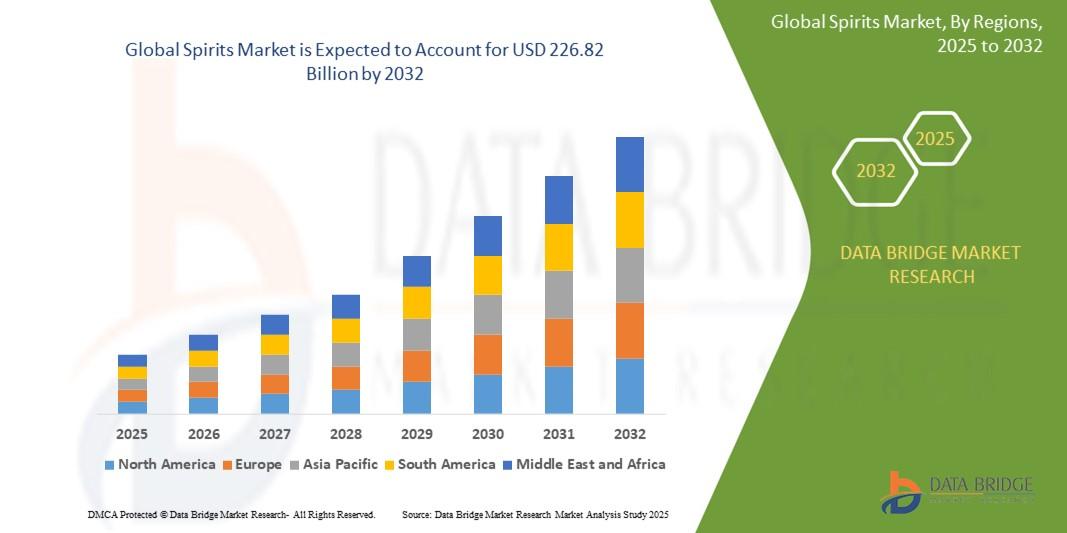
« Perspectives de la demande mondiale pour le résumé exécutif Taille et part du marché des spiritueux Valeur du TCAC Le marché mondial des spiritueux était évalué à 82,01 milliards USD en 2024 et devrait atteindre 226,82 milliards USD d'ici 2032. Au cours de la...
Future of Executive Summary Offshore Drilling Riser Market: Size and Share Dynamics The global offshore drilling riser market size was valued at USD 7.52 billion in 2024 and is expected to reach USD 10.69 billion by 2032, at a CAGR of 4.50% during the forecast period Businesses can attain detailed insights with the large scale Offshore Drilling Riser...
"Executive Summary Greek Yogurt Market Research: Share and Size Intelligence The global greek yogurt market size was valued at USD 8.60 billion in 2024 and is expected to reach USD 19.82 billion by 2032, at a CAGR of 11.00% during the forecast period. The all-inclusive Greek Yogurt Market report is the best to know the trends and opportunities in Greek...