Angular Contact Bearing for High Axial Load Stability
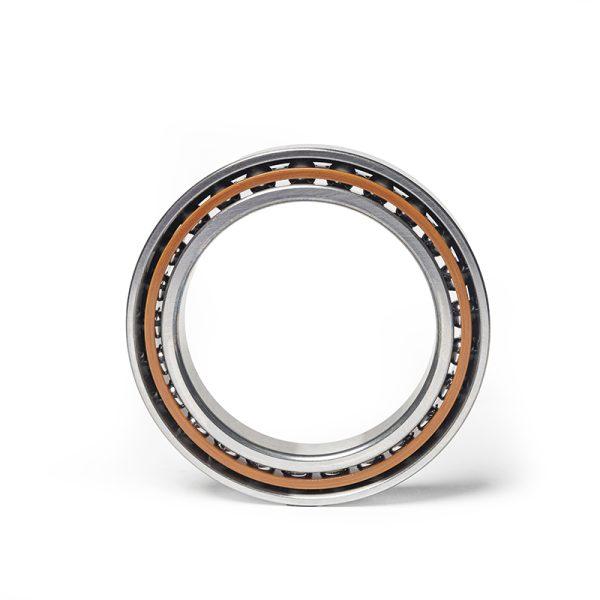
Excessive vibration, shaft displacement, and premature bearing wear are common problems in high-speed machinery. When equipment operates under combined radial and axial loads, standard bearings often fail to deliver the required stability. The result? Costly downtime, reduced accuracy, and frequent replacements.
A high-quality angular contact bearing is specifically engineered to handle these demanding conditions. Designed with precision raceways and optimized contact angles, it offers superior support for axial forces while maintaining smooth rotational performance.
Why Standard Bearings Struggle with Axial Loads
In many industrial systems—such as CNC machines, pumps, gearboxes, and electric motors—axial loads play a significant role in overall performance. Traditional radial ball bearings are primarily built to handle radial forces. When subjected to heavy thrust loads, they can experience:
-
Increased friction and overheating
-
Misalignment and shaft deflection
-
Reduced rotational accuracy
-
Shortened service life
This is where angular contact designs make a measurable difference. By positioning the contact angle between the ball and raceway, these bearings efficiently distribute combined loads, enhancing stiffness and precision.
How Angular Contact Bearings Improve Machine Stability
Optimized Contact Angle for Combined Loads
The defining feature of an angular contact bearing is its contact angle. This geometry allows the bearing to support both radial and axial loads simultaneously. Depending on the application, different contact angles can be selected to maximize axial load capacity or high-speed performance.
Enhanced Rotational Accuracy
Precision-ground raceways and controlled internal clearance minimize runout and vibration. In high-speed spindles or precision assemblies, this accuracy directly impacts surface finish, machining tolerance, and overall productivity.
High-Speed Capability
With advanced cage designs and optimized lubrication pathways, angular contact ball bearings maintain stability even at elevated rotational speeds. Reduced friction helps control temperature rise, ensuring consistent performance during continuous operation.
Key Applications That Demand Angular Contact Bearings
CNC Machine Tool Spindles
Machining centers require extreme rigidity and rotational precision. Angular contact bearings arranged in paired or back-to-back configurations increase axial stiffness, allowing for higher cutting accuracy and improved tool life.
Pumps and Compressors
Axial thrust generated by impellers places significant stress on internal components. A properly selected bearing reduces shaft movement and improves system reliability, especially in high-pressure environments.
Automotive and Gear Systems
In transmission systems and performance vehicles, bearings must withstand dynamic combined loads. Angular contact bearings contribute to smoother gear engagement, reduced vibration, and enhanced mechanical efficiency.
Selecting the Right Bearing Configuration
For demanding industrial environments, proper configuration is as important as bearing quality. Angular contact bearings can be mounted in various arrangements:
-
Back-to-back (DB): Increased moment stiffness and high axial rigidity
-
Face-to-face (DF): Better misalignment tolerance
-
Tandem (DT): Higher axial load capacity in one direction
Choosing the right setup depends on shaft design, load direction, speed requirements, and environmental conditions. Consulting with a reliable bearing manufacturer ensures optimized performance and extended service intervals.
Reduce Downtime and Improve Equipment Lifespan
Machine reliability depends heavily on component quality. Investing in precision-engineered angular contact bearings results in:
-
Improved load distribution
-
Reduced maintenance frequency
-
Lower operational noise
-
Greater energy efficiency
Instead of repeatedly replacing failed components, upgrading to a high-performance solution enhances overall equipment effectiveness and protects your production schedule.
If axial load instability and vibration are impacting your machinery, transitioning to a precision angular contact bearing could be the key to restoring operational efficiency and long-term durability.
Catégories
Lire la suite
Path of Exile 2 is an upcoming sequel to the beloved ARPG Path of Exile, set to take place years after the events of the first game. While many aspects of the game remain a mystery, one character that has piqued the curiosity of the community is Count Geonor. He is an enigmatic figure whose lore and potential influence in the game have sparked a great deal of speculation and anticipation among...

Power Battery Management System Market Share - The Power Battery Management System Market Share is dominated by leading companies in Asia-Pacific, North America, and Europe. Strategic collaborations among battery manufacturers and EV automakers are helping to strengthen market presence and technological capabilities. Defining Market Share Landscape: The discussion focuses on the qualitative...

The Lithium-Ion Battery Recycling Market is experiencing rapid growth as the demand for sustainable energy solutions and circular economy practices intensifies worldwide. Lithium-ion batteries are widely used in electric vehicles (EVs), portable electronics, renewable energy storage systems, and industrial applications. As their adoption rises, end-of-life batteries pose environmental...
Regional Overview of Executive Summary Europe Business Process Outsourcing (BPO) Market by Size and Share CAGR Value The Europe Business Process Outsourcing (BPO) Market is expected to reach USD 144.50 Billion by 2032 from USD 77.64 Billion in 2024 growing with a healthy CAGR of 8.2% in the forecast period of 2025 to 2032. Deliberately analyzed facts and figures of the market and...
Executive Summary: Textile Finishing Chemicals Market Size and Share by Application & Industry Textile finishing chemicals market will reach at an estimated value of USD 11.46 billion and grow at a rate of 5.30% for the forecast period of 2021 to 2028. Growing demand for technical fabrics is a vital factor driving the growth of textile finishing chemicals market. The leading...