Why Professional Stitch Planning Matters for Clean Results
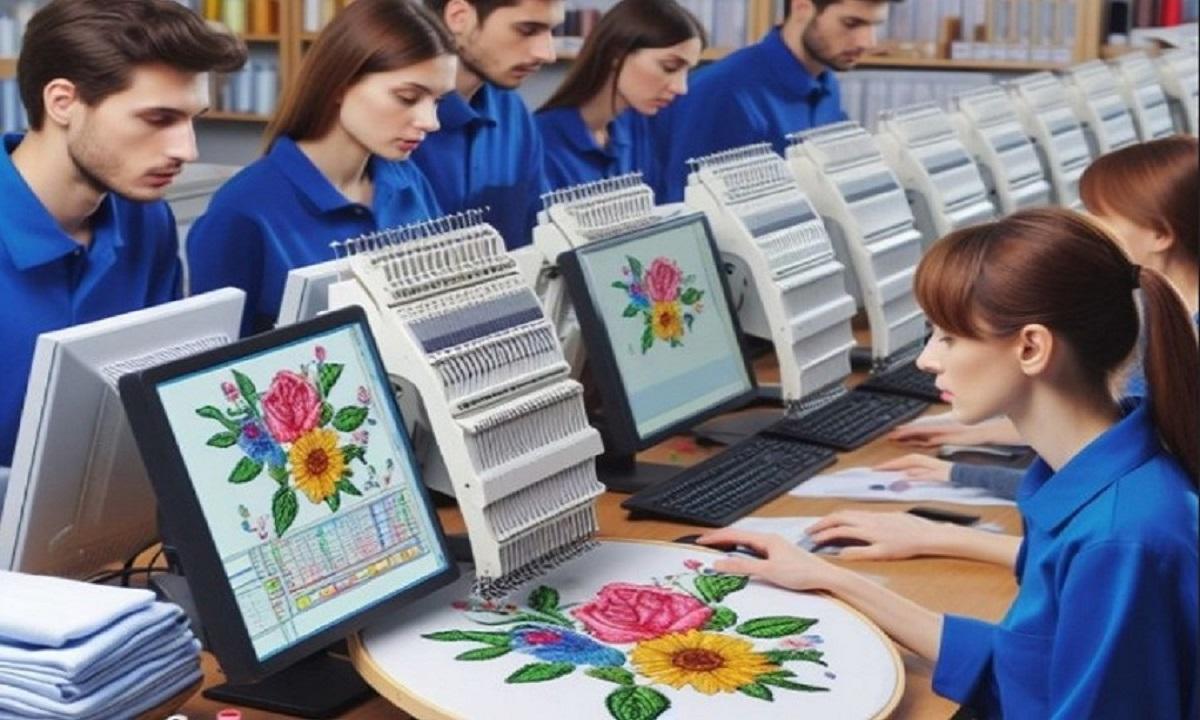
Embroidery looks simple when you see a finished logo. The thread sits flat. The edges look sharp. The colors look bright. Many people think the machine did all the work. The truth is different. Clean embroidery starts long before stitching begins. It starts with planning.That early planning is why businesses search for the Best Embroidery Digitizing Services instead of cheap shortcuts.
Stitch planning decides how the design behaves on fabric. Without it, even a strong machine produces weak results. With it, embroidery looks smooth and balanced.
I have watched rushed jobs fall apart on the hoop. Letters twist. shapes shrink. fabric wrinkles. I have also seen careful stitch plans turn simple art into perfect embroidery. The difference is not luck. It is structure and discipline.
At Embroidery Digitizing Services in USA - Digitizing Buddy, planning is treated like engineering. We do not press start and hope. We map every move before thread touches cloth. This habit protects quality from the first stitch to the last.
What Stitch Planning Really Means
Stitch planning is the blueprint of embroidery. It decides how the needle travels. It decides how fabric reacts.
Machines Need Instructions
A machine cannot guess what looks good. It follows commands. Each stitch must have a path and angle.
If the plan is weak, the machine still follows it. The result will also be weak.
Thread Is Not Ink
Ink sits flat on paper. Thread builds layers on fabric. It pulls. It pushes. It shines under light.
Planning accounts for this movement. It controls tension before problems appear.
How Poor Planning Creates Messy Results
Bad planning shows quickly. You can spot it from a distance.
Letters That Close Up
Small text is fragile. Without smart spacing, stitches crowd together.
Words become unreadable. Brands lose clarity.
Warped Shapes
Circles stretch. Squares lean. Lines wobble.
Fabric stress causes these distortions. Planning prevents them.
Clean Artwork Is the First Step
Stitch planning begins with strong artwork.
Simplifying the Design
Tiny shadows and thin lines do not survive embroidery.
Experts remove noise. They keep bold shapes. Simpler art stitches cleaner.
Strengthening Edges
Weak borders fray after washing.
Digitizers thicken edges slightly. These tiny edits protect durability.
Choosing the Correct Stitch Types
Different parts of a logo need different stitch tools.
Running Stitch for Fine Detail
Running stitches are light. They handle small accents.
They add detail without heavy bulk.
Satin Stitch for Text
Satin stitches shine. They create smooth letters.
They must be angled carefully to avoid twisting.
Fill Stitch for Large Areas
Fill stitches cover big spaces.
They require balanced density to stay flexible.
Stitch Direction Changes Everything
Direction controls both beauty and strength.
Light and Texture
Thread reflects light based on angle.
Changing direction adds depth and life.
Fabric Stress Balance
Wrong angles pull cloth unevenly.
Smart direction spreads tension evenly.
Density Control Protects Fabric
Density means how close stitches sit together.
Too Tight Is Dangerous
Heavy density stresses thread and fabric.
It causes breaks and stiffness.
Too Loose Looks Weak
Light density shows gaps.
Designs look empty and fragile.
The Balance Point
Professional planning finds the middle ground.
This balance creates smooth surfaces.
Fabric Type Guides the Plan
Every fabric behaves differently.
Soft Fabrics Stretch
T-shirts move easily.
Designs must adjust for that movement.
Thick Fabrics Resist
Canvas and jackets stay firm.
They require stronger stitch support.
Stabilizer Support
Stabilizer holds fabric steady.
Light cloth needs soft backing.
Heavy cloth needs firm backing.
Wrong stabilizer ruins clean stitching.
Underlay Is the Hidden Foundation
Underlay sits beneath visible stitches.
Most people never see it. It controls everything.
Locking the Fabric
Underlay anchors the cloth.
It prevents sinking and shifting.
Building a Base
Top stitches rest on underlay.
A strong base means smooth surfaces.
Types of Underlay
Edge underlay supports borders.
Center underlay supports fills.
Zigzag underlay adds strength.
Experts mix these for balance.
Testing Separates Pros From Amateurs
Screens lie. Thread tells the truth.
Sample Stitch Runs
A test reveals hidden flaws.
Letters may close. Edges may pull.
Adjusting After Testing
Density changes. Angles shift.
Underlay improves.
Testing is proof of care, not delay.
At Embroidery Digitizing Services in USA - Digitizing Buddy, test stitching is never skipped. It protects every client order.
Experience Builds Better Judgment
Software teaches buttons. Experience teaches decisions.
Learning From Past Work
Each design adds lessons.
Small text teaches patience.
Heavy fabric teaches force control.
Experts remember patterns.
Knowing When to Simplify
Beginners add stitches.
Experts remove clutter.
Clean designs stitch better.
Durability Depends on Planning
Embroidery must survive washing and wear.
Stress Control
Balanced stitches spread tension.
This prevents breakage.
Shape Stability
Anchored stitches stay in place.
Logos keep their form over time.
Durability proves smart engineering.
Human Skill Still Leads the Machine
Machines are tools. Humans guide them.
Visual Balance
A computer cannot judge beauty alone.
A trained eye adjusts spacing.
Craft Knowledge
Understanding thread behavior matters.
Old sewing wisdom improves digital plans.
At Embroidery Digitizing Services in USA - Digitizing Buddy, craft and technology work together daily.
Why Businesses Should Care
Embroidery is public branding.
People see it on uniforms and gear.
First Impressions Count
A clean logo shows care.
A messy logo damages trust.
Saving Money Long Term
Good planning reduces thread breaks.
Fewer errors mean faster runs.
Quality upfront lowers future costs.
Common Planning Mistakes
Mistakes grow during stitching.
Overcrowded Designs
Too much detail creates thread clumps.
Bold shapes stitch better.
Ignoring Fabric Behavior
A plan for cotton fails on nylon.
Material always matters.
Skipping Tests
Skipping testing risks full failure.
Professionals never rush approval.
Consistency Builds Authority
Trust grows from repeat quality.
Repeatable Results
Strong providers deliver the same clean finish every time.
Clients know what to expect.
Structured Workflow
Artwork review.
Stitch planning.
Testing.
Approval.
A system prevents careless errors.
The Emotional Side of Craft
Embroidery is technical and personal.
Pride in Work
Experts care about every stitch.
Their name stands behind it.
Respect for the Brand
A logo carries identity.
Professionals treat it with care.
This builds long partnerships.
Final Thoughts
Professional stitch planning is the hidden engine of clean embroidery. It blends art, math, and experience. Every stitch must serve a purpose. Every angle must respect fabric behavior.
Great embroidery is invisible engineering. You only see beauty. The expert sees structure behind it.
When planning is done with discipline, designs stay sharp and strong. Colors remain clear. Shapes hold their form. Fabric stays protected.
That hidden structure turns thread into powerful branding. It speaks quality without words. And it proves the value of working with professionals who plan every stitch with care.
Categorie
Leggi tutto
Executive Summary Low Intensity Sweeteners Market Size, Share, and Competitive Landscape The global low intensity sweeteners market size is valued at USD 2.48 billion by 2028 and is expected to grow at a compound annual rate of 6.35% in the forecast period 2021 to 2028. The rapid increase in the demand of low intensity sweeteners amongst people is the factor for the growth of low...

Key Drivers Impacting Executive Summary Pandan Tea Market Size and Share The global pandan tea market size was valued at USD 429.06 million in 2024 and is expected to reach USD 715.45 million by 2032, at a CAGR of 6.6% during the forecast period. Accomplishment of maximum return on investment (ROI) is one of the most wannabe goals for any industry which...
Competitive Analysis of Executive Summary Pet Insurance Market Size and Share The global pet insurance market size was valued at USD 47.32 Billion in 2024 and is expected to reach USD 9.49 Billion by 2032, at a CAGR of 94.00% during the forecast period. To stand apart from the competition, a careful idea about the competitive landscape, their product range, their...
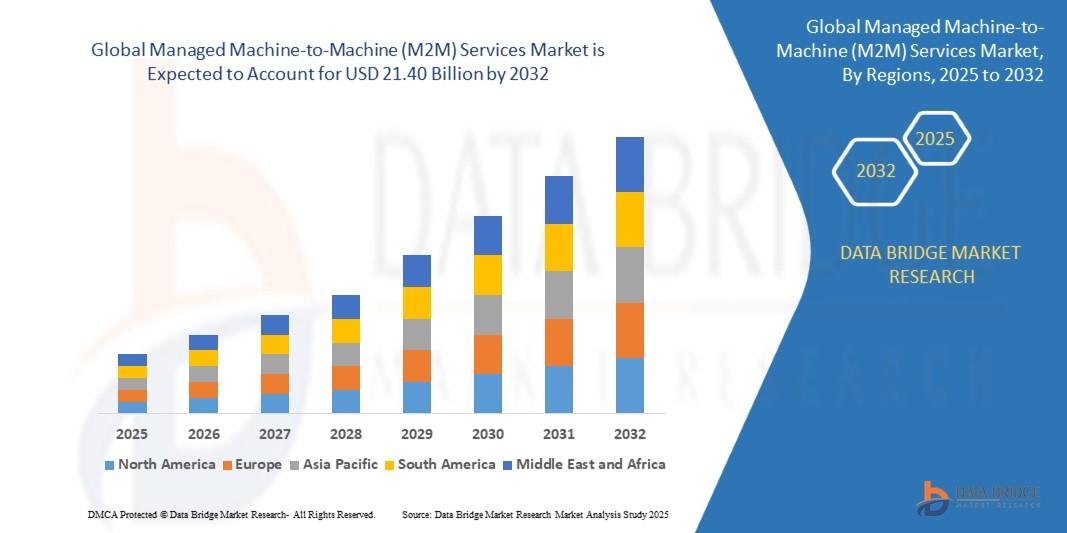
"Executive Summary Managed Machine-to-Machine (M2M) Services Market Size and Share Forecast CAGR Value The global managed machine-to-machine (M2M) services market size was valued at USD 4.65 billion in 2024 and is expected to reach USD 21.40 billion by 2032, at a CAGR of 21% during the forecast period With a capable and wide-ranging market research study, Managed Machine-to-Machine...
Executive Summary Baby Food and Infant Formula Market: Growth Trends and Share Breakdown Data Bridge Market Research analyses that the baby food and infant formula market was valued at USD 33.3 billion in 2021 and is expected to reach the value of USD 50.34 billion by 2029, at a CAGR of 5.3% during the forecast period of 2022-2029. Baby Food and Infant Formula Market research report is a...