Best Cream for Dark Spots in Pakistan – Fade Pigmentation Effectively
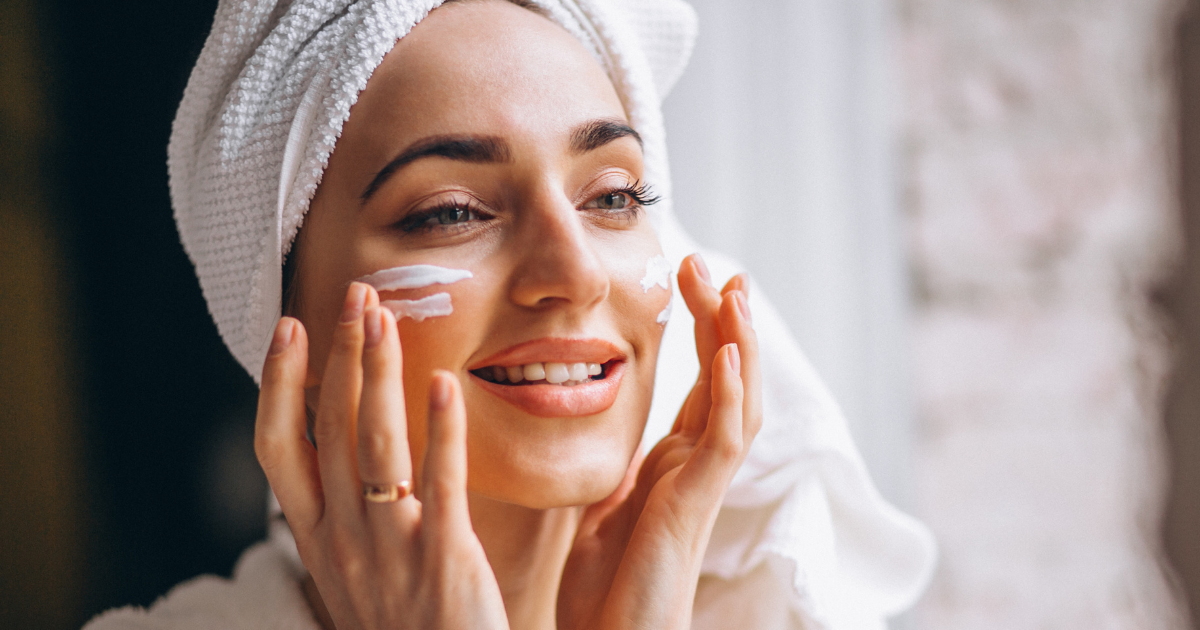
Dark spots, uneven skin tone, and pigmentation are common skin concerns in Pakistan due to intense sun exposure, pollution, hormonal imbalance, and post-acne marks. Finding the best cream for dark spots can feel overwhelming with so many products available in the market. Understanding what causes pigmentation and how to treat it properly can help you achieve brighter and healthier-looking skin.
This detailed guide explains causes of pigmentation, key ingredients to look for, how to choose the right cream, and tips for Pakistani skin types.
Understanding Dark Spots and Pigmentation
Pigmentation occurs when melanin production increases in certain areas of the skin. This leads to patches or spots that appear darker than your natural complexion.
Common types of pigmentation include:
-
Sunspots (caused by UV exposure)
-
Post-inflammatory hyperpigmentation (after acne or injury)
-
Melasma (often due to hormonal changes)
-
Freckles
In Pakistan, strong sunlight and lack of consistent sunscreen use are major reasons for stubborn dark spots.
Causes of Dark Spots in Pakistani Skin
Several factors contribute to pigmentation:
Sun Exposure
Pakistan experiences high UV index levels throughout the year. Without proper sun protection, melanin production increases, leading to sunspots.
Acne and Skin Inflammation
Pimples, allergic reactions, and harsh treatments can leave behind dark marks, especially on wheatish and medium skin tones.
Hormonal Changes
Pregnancy, PCOS, and certain medications can trigger melasma, causing brown patches on cheeks and forehead.
Aging
As skin ages, cell turnover slows down, and dark spots become more noticeable.
Understanding the root cause helps in choosing the best cream for dark spots that targets your specific concern.
Key Ingredients to Look for in Anti-Pigmentation Creams
Choosing the right formulation is more important than brand hype. Here are ingredients that actually work:
Vitamin C
Vitamin C brightens skin and reduces melanin production. It also protects against environmental damage.
Niacinamide
Niacinamide reduces pigmentation and strengthens the skin barrier. It is gentle and suitable for sensitive skin.
Kojic Acid
Kojic acid helps lighten stubborn spots by inhibiting melanin production.
Alpha Arbutin
Alpha arbutin is effective for treating melasma and acne marks without irritating the skin.
Retinol
Retinol boosts cell turnover and fades dark spots over time. It should be used carefully and preferably at night.
Licorice Extract
A natural ingredient that soothes skin and helps lighten discoloration.
When searching for the best cream for dark spots, always check the ingredient list instead of focusing only on packaging or advertisements.
How to Choose Best Cream for Dark Spots in Pakistan
Skin types in Pakistan vary from oily and acne-prone to dry and sensitive. Climate also plays a major role.
For Oily and Acne-Prone Skin
Look for lightweight, non-comedogenic creams with niacinamide or salicylic acid. Avoid heavy formulas that clog pores.
For Dry Skin
Choose creams with hydrating ingredients like hyaluronic acid combined with vitamin C or alpha arbutin.
For Sensitive Skin
Go for fragrance-free formulations with gentle brightening agents like niacinamide and licorice extract.
For Melasma
Products containing alpha arbutin, kojic acid, and retinol can be effective, but dermatologist consultation is recommended for severe cases.
Selecting the best cream for dark spots also depends on whether your pigmentation is recent or long-standing.
How to Properly Use Anti-Pigmentation Cream
Using the right product incorrectly can reduce results or cause irritation.
Step 1: Cleanse Properly
Wash your face with a gentle cleanser suited to your skin type.
Step 2: Apply Toner (Optional)
A hydrating toner can prep the skin for better absorption.
Step 3: Use a Pea-Sized Amount
Apply a small amount of cream to affected areas or entire face, depending on product instructions.
Step 4: Use Sunscreen Daily
Sunscreen is non-negotiable. Without SPF 30 or higher, pigmentation can worsen even if you are using the best cream for dark spots.
Step 5: Be Consistent
Results usually take 4 to 8 weeks. Avoid switching products too quickly.
Natural Remedies vs Anti-Pigmentation Creams
Many people in Pakistan use home remedies like lemon juice, turmeric, or aloe vera. While some natural ingredients may provide mild brightening, they often lack stable concentrations and may irritate the skin.
Dermatologically tested creams provide controlled and safe formulations. If pigmentation is stubborn, creams with active ingredients are more reliable.
Common Mistakes to Avoid
Avoid these mistakes while treating dark spots:
-
Skipping sunscreen
-
Using too many active ingredients together
-
Over-exfoliating
-
Expecting overnight results
-
Buying steroid-based creams without prescription
Steroid creams may temporarily lighten skin but can cause long-term damage.
Lifestyle Tips to Prevent Dark Spots
Preventing pigmentation is easier than treating it.
Wear Sunscreen Daily
Even indoors, UV rays can affect skin.
Avoid Direct Sun Exposure
Try to limit outdoor activities between 11 am and 3 pm.
Maintain Healthy Diet
Include fruits rich in antioxidants like oranges and berries.
Stay Hydrated
Drink enough water to support skin health.
Avoid Picking Acne
Picking pimples increases chances of post-inflammatory hyperpigmentation.
Combining these habits with the best cream for dark spots gives better and long-lasting results.
When to See a Dermatologist
If pigmentation:
-
Covers large areas
-
Does not improve after 3 months
-
Is accompanied by itching or irritation
-
Suddenly appears without reason
Consult a qualified dermatologist. Professional treatments like chemical peels, laser therapy, or prescription creams may be required.
Final Thoughts
Clear and even-toned skin requires patience and the right skincare approach. Pakistan’s climate, pollution levels, and strong sun exposure make pigmentation a common issue, but it is manageable with proper care.
Choosing the best cream for dark spots means focusing on effective ingredients, understanding your skin type, and committing to daily sunscreen use. Avoid quick-fix whitening products and prioritize safe, dermatologist-approved formulations.
Consistency, sun protection, and a gentle skincare routine can gradually reduce pigmentation and restore your natural glow. With the right product and habits, achieving brighter skin in Pakistan’s environment is absolutely possible.
Categories
Read More
To truly comprehend the turbulent and rapidly evolving landscape of on-demand food services, a structured and comprehensive strategic review is essential. A detailed Online Food Delivery Market Analysis, framed through the powerful lens of a SWOT (Strengths, Weaknesses, Opportunities, Threats) analysis, provides a panoramic view of the internal capabilities and external pressures shaping...

Old School RuneScape (OSRS) remains one of the most popular MMORPGs worldwide, attracting both new players and seasoned veterans. While in-game OSRS gold is the backbone of progress—whether for buying high-level gear, supplies, or skilling materials—accumulating it can be time-consuming. This is why many players consider purchasing OSRS gold to speed up their journey. However,...

Direct Drive Wind Turbine Market Trends - Emerging Direct Drive Wind Turbine Market Trends include the increasing use of permanent magnet generators, digital performance monitoring, and modular turbine assembly for offshore deployment. Enhanced efficiency and reduced noise levels are improving adoption rates in both onshore and offshore applications. The Direct Drive (DD) Wind Turbine Market is...

What’s Fueling Executive Summary Cloud Gaming Market Size and Share Growth The global cloud gaming market size was valued at USD 2.28 billion in 2024 and is expected to reach USD 62.43 billion by 2032, at a CAGR of 51.22% during the forecast period. The market growth is largely fueled by the widespread availability of high-speed internet, including...

Premium vehicle wheels are an essential component that combines aesthetics, performance, and safety. High-quality wheels not only improve the visual appeal of vehicles but also contribute to better handling, fuel efficiency, and ride comfort. With growing consumer demand for luxury and performance vehicles, premium vehicle wheels are increasingly becoming a key differentiator in the...