How Group Training Classes for Dogs Reduce Aggression Around Strangers
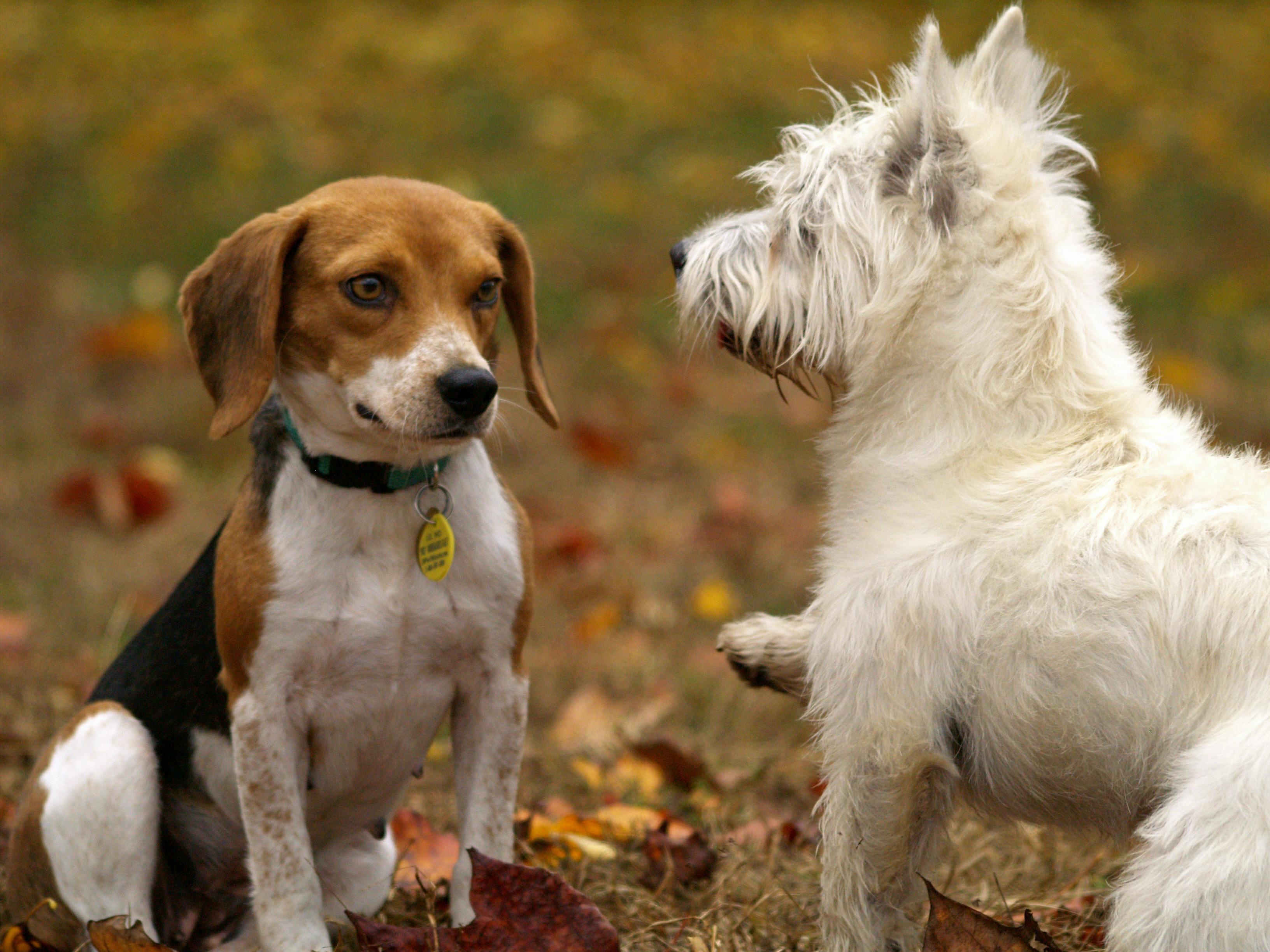
Aggression around strangers is a common concern for many dog owners. A dog may bark, growl, lunge, or act nervous when unfamiliar people come close. These reactions can be stressful and sometimes frightening. In most cases, this behavior comes from fear, lack of social experience, or confusion about what is expected. Group Training Classes for Dogs help reduce aggression around strangers by teaching dogs how to stay calm, confident, and focused in social situations.
Understanding Why Dogs Show Aggression Toward Strangers
Aggression toward strangers is often rooted in fear or uncertainty. Dogs may feel threatened when they do not understand a person’s intentions. Some dogs have not had enough positive exposure to different people. Others may have had past negative experiences. Instead of feeling safe, the dog reacts defensively. Group training helps change how dogs feel about strangers by creating safe and positive experiences.
Why Avoiding Strangers Does Not Fix the Problem
Many owners try to avoid strangers to prevent aggressive reactions. While this may stop incidents temporarily, it does not help the dog learn. Avoidance can actually make fear stronger over time. Dogs need guidance and controlled exposure to learn that strangers are not a threat. Group Training Classes for Dogs provide this exposure in a structured and supportive way.
How Group Training Classes for Dogs Create a Safe Learning Environment
Group training classes are designed to be controlled and supervised. Dogs train around other dogs, trainers, and people without being forced into uncomfortable situations. Trainers carefully manage distance, movement, and interaction. This helps dogs stay below their stress level while learning. Feeling safe is the first step in reducing aggressive behavior.
Teaching Calm Behavior Around Unfamiliar People
One of the main goals of group training is calm behavior. Dogs learn how to sit, stay, and focus when people are nearby. Trainers reward calm responses and help redirect reactive behavior gently. Over time, dogs learn that staying calm leads to positive outcomes. This replaces aggressive reactions with more appropriate behavior.
Building Confidence Through Repeated Positive Exposure
Confidence grows with experience. Group training allows dogs to see many different people in a predictable setting. Dogs learn that strangers move, talk, and interact without causing harm. Each positive exposure helps reduce fear. As confidence builds, aggressive reactions decrease naturally.
Improving Focus to Reduce Reactive Behavior
Aggression often happens when dogs lose focus and become overwhelmed. Group training teaches dogs how to focus on their handler instead of the environment. Attention exercises help dogs check in with their owner during stressful moments. When dogs focus, they feel more secure and less reactive around strangers.
Teaching Dogs to Pause Instead of React
Impulse control is an important part of managing aggression. Dogs that react quickly do not pause to assess the situation. Group training includes exercises that teach waiting, staying, and calm movement. These skills help dogs slow down mentally and physically. Learning to pause reduces aggressive responses.
Helping Dogs Learn Neutral Responses
Dogs do not need to love every stranger. The goal is neutral behavior. Group training teaches dogs that it is okay to ignore people calmly. Dogs learn that they do not need to bark, lunge, or retreat. Neutral responses make public outings safer and more enjoyable.
Teaching Owners How to Handle Social Situations Calmly
Dogs often react based on their owner’s behavior. If an owner tightens the leash or becomes nervous, the dog may react more strongly. Group training teaches owners how to stay relaxed, use proper leash handling, and give clear cues. Calm owners help dogs feel safe and supported.
Practicing Stranger Exposure in Realistic Settings
Group classes simulate real-life situations. Dogs practice being around people who walk, talk, and move naturally. This prepares dogs for encounters outside of training. Practicing in a controlled setting makes real-world situations less overwhelming.
When Some Dogs Need Extra Help Before Group Classes
Some dogs may be too reactive or fearful to start in a group setting. In these cases, trainers may suggest private training for dogs first. One-on-one sessions help build basic confidence and obedience in a quiet environment. Once the dog improves, transitioning to group classes becomes easier and more successful.
Reducing Aggression Without Harsh Methods
Group training focuses on positive guidance rather than punishment. Harsh methods can increase fear and aggression. Positive reinforcement builds trust and motivation. Dogs learn because they feel safe, not because they are afraid. This approach leads to more lasting behavior change.
Long-Term Benefits of Group Training for Aggression
Dogs who learn to stay calm around strangers are easier to manage. Walks become less stressful. Guests can visit more comfortably. Dogs feel more confident in public spaces. Owners gain peace of mind knowing their dog can handle social situations better.
Strengthening the Bond Between Dog and Owner
Working through aggression together builds trust. Dogs learn that their owner will guide them through challenging situations. Owners learn how to support their dog calmly. This teamwork strengthens the relationship and improves overall behavior.
Conclusion
Aggression around strangers is often a sign of fear and uncertainty, not a bad dog. With the right training approach, many dogs can learn calmer and more confident responses. Group Training Classes for Dogs reduce aggression by providing structured exposure, focus training, and positive guidance in a safe environment. For dog owners looking for professional support and real results, Prestige Dog Training offers expert group training programs designed to help dogs feel secure, calm, and well-behaved around strangers.
Categorii
Citeste mai mult
"Detailed Analysis of Executive Summary Palmoplantar Pustulosis Market Size and Share CAGR Value Global palmoplantar pustulosis market size was valued at USD 522.36 million in 2024 and is projected to reach USD 1,080.12 million by 2032, with a CAGR of 9.20% during the forecast period of 2025 to 2032. This Palmoplantar Pustulosis Market report serves you with the bigger picture of the...

The latest business intelligence report released by Polaris Market Research on Energy Management Systems Market Share, Size, Trends, Industry Analysis Report, By System (Home Energy Management Systems, Industrial Energy Management Systems); By Component; By Deployment; By Region; Segment Forecast, 2022 - 2030. It covers the in-depth knowledge of the Energy Management Systems Market...

Competitive positioning determines success in the evolving AI technology marketplace significantly. Generative AI in Oil & Gas Market Share analysis reveals concentration patterns among leading providers. Market leaders establish dominance through technology innovation and strategic partnerships effectively. Generative AI in Oil & Gas Market is estimated to reach a valuation...

The global battery electrolyzer market was valued at USD 81.3 million in 2024 and is projected to reach USD 771.5 million by 2035, expanding at a strong CAGR of 22.7% from 2025 to 2035. Market growth is driven by the rising demand for efficient green hydrogen production systems and the integration of renewable energy sources, which is accelerating the adoption of hybrid energy storage and...

The Flame Retardant Polyamide Market is witnessing steady growth as industries increasingly prioritize fire safety, lightweight materials, and regulatory compliance. Flame retardant polyamides are high-performance engineering plastics designed to resist ignition and inhibit flame spread, making them essential in electrical, automotive, construction, and consumer electronics applications. The...