Harmonizing the Decentralized Grid: The Strategic Evolution of the DERMS Industry
As of February 2026, the global energy sector has reached a pivotal tipping point where traditional, top-down power distribution is being permanently replaced by a dynamic, multidirectional exchange of energy. At the core of this transformation is the DERMS Industry, which provides the critical software and communication architecture needed to manage Distributed Energy Resources (DERs). From residential rooftop solar and "smart" home batteries to the massive charging networks of electric vehicle (EV) fleets, these decentralized assets now represent a significant portion of the global generation capacity. However, their variable nature—driven by weather and human behavior—requires a level of orchestration that traditional grid tools cannot provide. In 2026, Distributed Energy Resource Management Systems have evolved into the "digital brain" of the grid, turning millions of independent energy nodes into a cohesive, resilient, and carbon-efficient power system.
From Static Management to Intelligent Orchestration
The most significant trend in the 2026 industry is the shift from simple management to "agentic" orchestration. In the early 2020s, DERMS were primarily used for basic visibility and emergency curtailment. Today, modern platforms leverage advanced artificial intelligence to perform predictive load balancing. By analyzing hyper-local weather patterns, traffic data for EV charging cycles, and real-time market prices, these systems can autonomously decide when to store energy in a community battery or when to signal thousands of smart thermostats to shift demand.
This intelligence has enabled the mainstream success of Virtual Power Plants (VPPs). In 2026, utilities no longer view a neighborhood of solar-powered homes as a liability for grid stability; instead, they see it as a dispatchable resource. By aggregating these small-scale assets, the industry allows them to act as a single, large-scale power plant that can provide frequency regulation and peak shaving services. This not only reduces the need for expensive and polluting "peaker" plants but also creates a new economic model where homeowners can be compensated for the grid services their assets provide.
The EV-to-Grid (V2G) Breakthrough
The 2026 landscape is heavily influenced by the massive surge in electric vehicle adoption. The collective battery capacity of parked EVs now represents one of the world's largest potential storage resources. The DERMS industry has successfully commercialized bidirectional charging, or Vehicle-to-Grid (V2G) technology, allowing parked cars to feed energy back into the grid during times of extreme stress.
Managing this "mobile storage" is one of the most complex tasks for 2026 grid operators. Modern DERMS platforms must ensure that vehicles are always charged enough for their owners' predicted travel needs while simultaneously utilizing their batteries to prevent local transformer overloads. This symbiotic relationship between the automotive and energy sectors has made DERMS a mandatory component for smart city infrastructure, particularly in high-density urban hubs across Asia and North America.
Regional Dynamics and Infrastructure Modernization
Geographically, the industry’s growth is bifurcated. North America and Western Europe remain the leaders in software innovation and regulatory framework development. In these regions, the focus is on integrating DERMS with legacy Advanced Distribution Management Systems (ADMS) to create a "Unified Grid Operations" center. Meanwhile, the Asia-Pacific region, led by China and India, is seeing the fastest deployment of DERMS hardware. These nations are building "greenfield" smart grids from the ground up, allowing them to bypass many of the interoperability issues that plague older networks in the West.
One of the largest hurdles remaining in 2026 is the "visibility gap"—the inability of some utilities to see behind-the-meter assets clearly. To combat this, the industry has seen a massive rollout of advanced IoT sensors and smart meters that provide the high-resolution data DERMS requires. This infrastructure modernization is being supported by multi-billion dollar government initiatives aimed at enhancing grid resilience against extreme weather events, which have become increasingly frequent and severe.
Security and Interoperability in a Connected World
As the energy grid becomes more digitized, the DERMS industry has placed an unprecedented focus on cybersecurity. In 2026, an energy system is only as strong as its weakest digital link. With millions of connected devices, the potential "attack surface" for cyber threats is immense. Leading providers are now utilizing blockchain-based authentication and zero-trust architectures to ensure that every command sent to a solar inverter or EV charger is verified and secure.
Interoperability has also matured. The industry has converged around unified communication protocols, such as IEEE 2030.5 and OpenADR, allowing different brands of batteries, chargers, and solar panels to "speak" the same language. This standardized ecosystem has lowered the barrier to entry for consumers and allowed for a more competitive marketplace where software providers can focus on high-level optimization rather than basic connectivity.
Conclusion
The DERMS industry in 2026 is the architect of a new energy reality. By making the invisible flow of energy visible and the chaotic behavior of millions of devices predictable, these systems are enabling a world that is more sustainable, reliable, and democratic. As we look toward the 2030s, the focus will continue to shift toward "edge intelligence," where decentralized assets become even more autonomous, ensuring that our energy systems are not just green, but truly smart.
Frequently Asked Questions
What exactly is the difference between DERMS and a smart meter? A smart meter is a hardware device that records how much energy you use (and sometimes produce) and sends that data to the utility. A DERMS is the sophisticated software platform that takes data from millions of smart meters, solar inverters, and EV chargers to actively control and optimize the entire grid in real-time.
How does the DERMS industry help lower carbon emissions? DERMS allows the grid to handle a much higher percentage of renewable energy. Because solar and wind are intermittent, the grid can become unstable if there is too much or too little power. DERMS balances this by using batteries and demand-response programs to "smooth out" the supply, reducing the need to turn on carbon-heavy coal or gas backup plants.
Can a DERMS system work if the main power grid goes down? In 2026, many DERMS platforms are designed to manage "microgrids." If the main grid fails, the DERMS can "island" a specific area—like a hospital campus or a neighborhood—and keep the power running using only local solar and battery storage until the main grid is restored.
More Trending Reports on Energy & Power by Market Research Future
Europe Offshore Wind Installations Market Growth
Middle East & Africa Fuel Cell Market Growth
Middle East & Africa Floating LNG Power Vessel Market Growth
Catégories
Lire la suite
炭黑市场规模及各细分市场份额执行摘要 CAGR 值 2024年全球炭黑市场价值为11,457.1亿美元,预计到2032年将达到18,454.7亿美元 《炭黑市场》是一份详尽的市场调研报告,它服务于多种用途,并能为企业带来竞争优势。为了在竞争中脱颖而出,仔细了解竞争格局、产品范围、战略和未来前景至关重要。本市场报告提供了2022-2029年市场预测期内的复合年增长率波动。此外,这份全面的炭黑市场报告系统地介绍了公司概况,并阐述了众多主要参与者和品牌的最新发展、产品发布、合资企业、并购活动。...

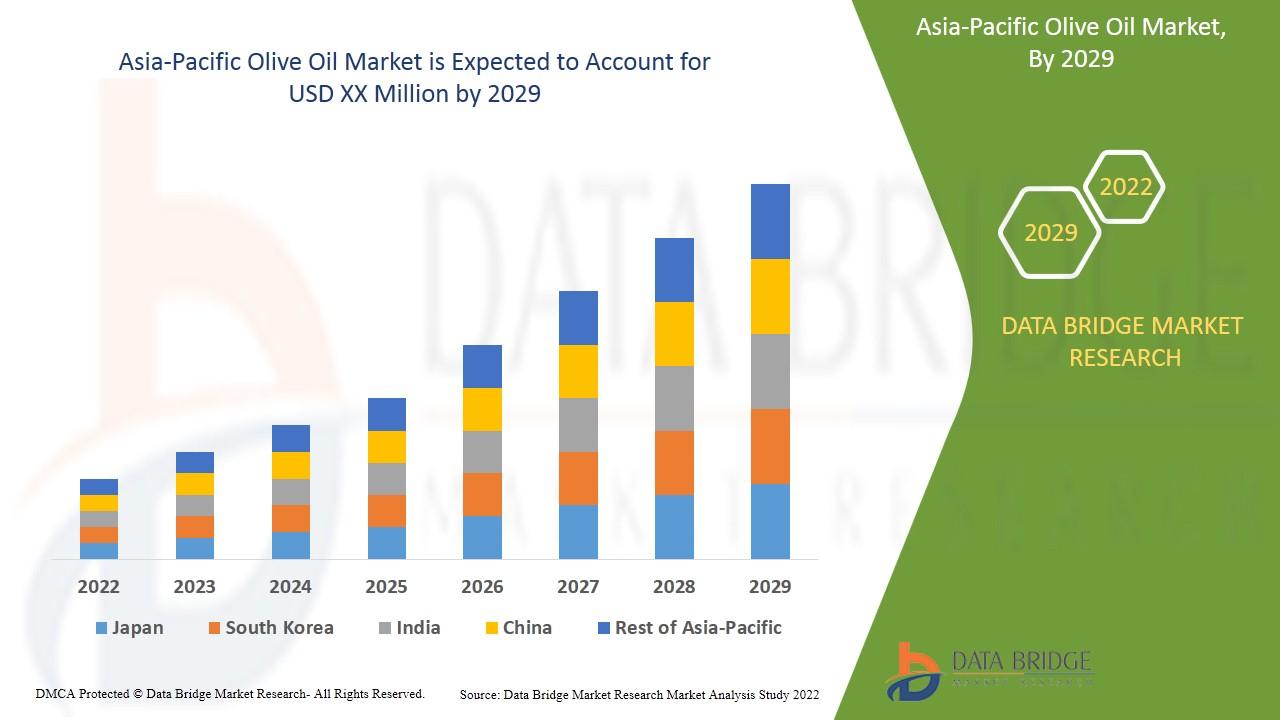
Introduction The Asia-Pacific Olive Oil Market represents one of the fastest-growing segments in the global edible oil industry. Olive oil, extracted from the fruit of the olive tree, is widely recognized for its health benefits, culinary versatility, and applications in cosmetics and pharmaceuticals. The market is gaining substantial traction in Asia-Pacific due to the growing...
The Annuloplasty Rings Market is experiencing substantial growth in market size, driven by rising incidence of valvular heart disease and increasing cardiac surgeries worldwide. The Annuloplasty Rings Market Size is expanding due to adoption of minimally invasive and robotic-assisted procedures that reduce patient recovery time and improve clinical outcomes. Hospitals and specialized cardiac...

According to a new report published by Introspective Market Research, titled, 4D Printing Market by Material Type, End-User, and Technology, The Global 4D Printing Market Size Was Valued at USD 142.11 Million in 2023 and is Projected to Reach USD 1523.78 Million by 2032, Growing at a CAGR of 30.16%. Introduction / Market Overview The global 4D printing market is rapidly emerging as...

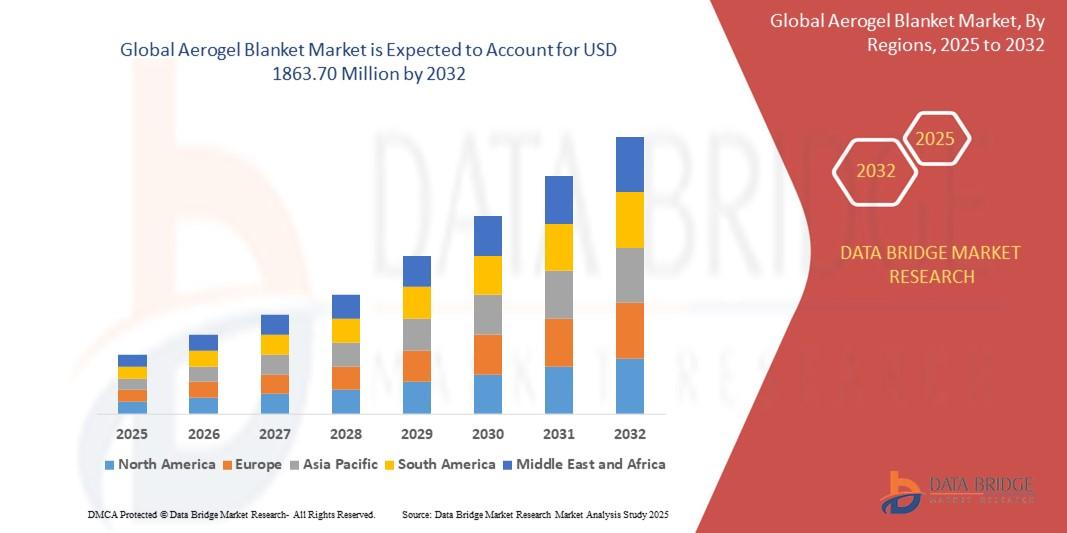
Introduction The Aerogel Blanket Market represents one of the fastest-growing segments in advanced insulation materials. Aerogel blankets are flexible, lightweight, and thermally efficient insulation products composed of silica, polymer, or carbon aerogels embedded into fibrous batting materials. These materials exhibit exceptional properties such as low thermal conductivity, high...