Building on the Edge: Engineering Resilience for Coastal Homes
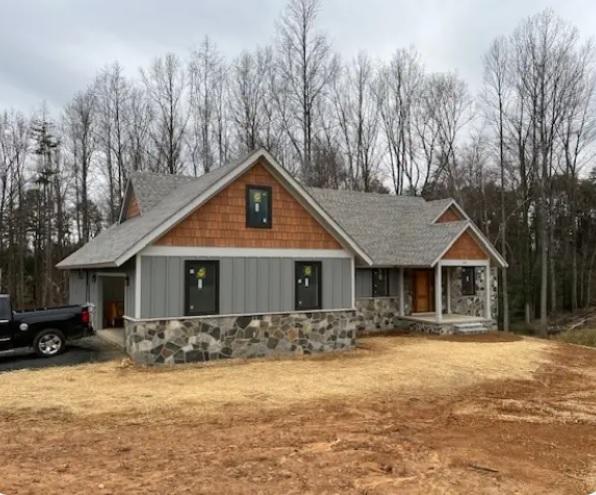
The allure of living by the ocean is undeniable, but the coastal environment is one of the most punishing for any structure. Salt air, hurricane-force winds, and the constant threat of storm surges demand a construction approach that goes far beyond standard building codes. For those planning New Construction Homes in New Jersey along the shore, resilience is not an upgrade—it is a necessity. Building a home that can withstand the unique rigours of the Atlantic coast requires specialised engineering, advanced materials, and a forward-thinking design philosophy.
The goal of resilient construction is to create a structure that not only survives a major storm event but remains habitable with minimal damage. This involves elevating the home above potential floodwaters, reinforcing the structural shell against wind loads, and selecting exterior finishes that resist corrosion and rot. As weather patterns become more unpredictable, investing in resilience is the smartest insurance policy a homeowner can buy.
Foundation Systems and Flood Zones
The foundation is the first line of defence. In FEMA-designated flood zones (V-Zones and A-Zones), traditional basement foundations are often prohibited or ill-advised. Instead, coastal homes are typically elevated on pilings—deeply driven timber or concrete columns that allow floodwaters to pass beneath the home without exerting hydrostatic pressure on the walls.
For homes in the A-Zone, which are subject to rising water but less wave action, flow-through foundations with "breakaway walls" are common. These non-structural walls are designed to detach under the force of floodwaters, preventing the collapse of the main structure. Properly engineering these foundations requires a detailed analysis of local soil conditions and scour potential (the erosion of soil around pilings), ensuring the home remains stable even if the ground beneath it shifts during a storm.
Wind-Resistant Framing and Load Paths
Coastal homes must be aerodynamic fortresses. The structural frame must be tied together from the roof to the foundation to create a "continuous load path." This is achieved using metal hurricane straps and tie-downs that secure the rafters to the wall plates, the wall plates to the studs, and the studs to the floor system. This interconnectedness prevents the roof from being lifted off by high winds, which is a primary cause of total structural failure.
Windows and doors are the weak points in the building envelope. Impact-resistant glazing, often called "hurricane glass," is standard in these regions. These windows consist of a laminate layer sandwiched between glass panes, similar to a car windshield. Even if the glass shatters from flying debris, the laminate holds the barrier in place, preventing the wind from pressurising the interior of the house and blowing the roof off.
Corrosion-Resistant Exterior Materials
The salt-laden air of the coast is incredibly corrosive to standard building materials. Ordinary steel nails will rust and fail within years, and standard wood siding requires constant painting to prevent rot. Resilient coastal homes utilise stainless steel fasteners and hardware for all exterior applications. While more expensive upfront, they prevent the unsightly rust streaks and structural degradation that plague standard galvanized hardware.
For siding and decking, synthetic materials like cellular PVC, fiber cement, and composite decking have become the materials of choice. They are impervious to moisture, rot, and insects, and they hold paint finishes significantly longer than wood. Choosing these low-maintenance, high-durability materials ensures that the home spends its life looking beautiful rather than under constant repair.
Utility Placement and Mechanical Protection
In a flood-prone area, the location of mechanical systems is critical. Electrical panels, HVAC compressors, and water heaters must be elevated above the Design Flood Elevation (DFE). Placing these expensive components on elevated platforms or dedicated mechanical balconies protects them from saltwater inundation, which would destroy them instantly.
Furthermore, ductwork should be run through the conditioned space of the elevated floor trusses rather than exposed underneath the home. This protects the ducts from salt spray and potential flood damage. Smart planning of utility runs ensures that even if the ground level floods, the vital systems of the home remain high, dry, and operational.
Conclusion
Building on the coast requires a respect for the power of nature. By integrating robust structural engineering, flood-compliant foundations, and marine-grade materials, homeowners can enjoy the beauty of the shore without living in fear of the next forecast. A resilient home is a fortress of comfort, designed to weather the storm and stand tall for generations.
Call to Action
Build with confidence in the coastal zone by partnering with a construction team that specializes in resilient engineering and marine environments.
Visit: https://sharplineinc.com/
Categorias
Leia Mais
The digital railway market, while already on a strong growth trajectory, is a landscape filled with significant and emerging Digital Railway Market Opportunities. The future of the industry lies in moving beyond the current focus on signalling and asset monitoring to create a truly autonomous, intelligent, and interconnected transportation ecosystem. These opportunities are being created...

The demand for geospatial intelligence reports is rising rapidly as organizations recognize the strategic importance of spatial awareness. The increase in requests for data-rich insights reflects a significant shift in how industries prepare for challenges and opportunities. This trend is clearly visible in the rising Geospatial Analytics Market report demand across sectors ranging from...

Hospital Acquired Infections Diagnostics Market to Reach USD 7.3 Billion by 2035 – Latest Trends, Key Players, and Segmentation The Hospital Acquired Infections (HAI) Diagnostics Market is emerging as one of the fastest-growing segments in the global healthcare diagnostics industry. According to the latest industry analysis, the market—valued at approximately USD 4.2...
"Executive Summary Asia-Pacific Circulating Tumor Cells (CTC) Liquid Biopsy Market Size and Share Across Top Segments Data Bridge Market Research analyses that the market is growing with a CAGR of 28.4% in the forecast period of 2022 to 2029 and is expected to reach USD 974.90 million by 2029 from USD 139.25 million in 2021. Asia-Pacific Circulating Tumor Cells (CTC)...
Executive Summary Orbital Atherectomy Market Opportunities by Size and Share The orbital atherectomy market is expected to witness market growth at a rate of 6.05% in the forecast period of 2021 to 2028. The leading Orbital Atherectomy Market report is sure to guide in one or the other way to accomplish one of the most important goals of every business i.e. gaining maximum return on...