Safe Sports Betting Basics: A Clear Guide for Playing Responsibly

Sports betting can look confusing from the outside—odds, lines, limits, and jargon everywhere. If you’re new, the smartest move isn’t chasing wins. It’s learning how the system works and how to protect yourself while you play. This guide breaks down safe sports betting basics with plain-language explanations and a few analogies to keep things grounded. You’ll know what to watch for, how to set boundaries, and why patience beats impulse.
What “Safe” Means in Sports Betting—and Why You Should Care
When people say “safe,” they don’t mean risk-free. Betting always involves uncertainty. Safety here means controlling exposure—to money, time, and emotion—so the activity stays recreational.
Think of betting like driving. You can’t remove risk entirely, but seatbelts, speed limits, and attention reduce harm. Safe betting uses similar guardrails: clear limits, informed choices, and realistic expectations. You’re not trying to outsmart randomness; you’re trying to manage it.
How Sports Betting Actually Works (Without the Jargon)
At its core, a sportsbook sets odds to balance action on all sides. Odds reflect probability and margin. That margin—often called the “house edge”—is how the book stays profitable over time.
Here’s the analogy: imagine a coin that lands heads about half the time. If you’re paid slightly less than even money on heads, the house keeps a sliver each flip. Over many flips, that sliver adds up. The same principle applies to spreads, totals, and moneylines. Understanding this helps you avoid the trap of believing every wager has equal value.
Setting Limits Before You Bet (Not After)
If you’re wondering how much you should bet, the answer is simple: decide before emotions enter the room.
Start with a fixed entertainment budget—the amount you’re fully comfortable losing. Then divide it into smaller units. Many people follow Safe Play Fundamentals by keeping each wager small relative to that total. This cushions variance and slows decision-making, which is a good thing.
Write your limits down. Include money, time spent, and frequency. When a session ends, stop. One short sentence to remember: limits only work if they’re set early.
Understanding Odds So You Don’t Misread Risk
Odds are probability in disguise. If you don’t translate them, you’ll overestimate your chances.
For example, longer odds mean lower likelihood, not “better opportunity.” They feel exciting because of higher payouts, but the underlying chance of winning is smaller. Favorites win more often, but their payouts are modest because the probability is higher.
When you read odds, ask one question: How often would this need to win for me to break even? That mindset shifts you from hope to math. You don’t need formulas—just curiosity.
Common Cognitive Traps You’ll Want to Avoid
Sports betting presses a few psychological buttons. Knowing them helps you sidestep mistakes.
One is recency bias—overweighting what just happened. Another is the illusion of control, believing knowledge eliminates randomness. Even experts miss outcomes regularly.
Loss chasing is the most dangerous trap. After a loss, your brain wants to “fix” it immediately. Pause. Take a break. Short sentence: losses don’t need correcting.
Consumer education sources like consumerfinance often stress the same principle across financial behaviors: decisions made under stress are rarely optimal. Betting is no different.
Choosing Information Sources You Can Trust
Not all advice is equal. Be cautious with tips that promise certainty or guaranteed returns. Those claims ignore how probability works.
Instead, look for explanations that show why something might be priced a certain way and where uncertainty remains. Transparent reasoning matters more than predictions. If a source admits limits and variance, that’s a good sign.
You don’t need many inputs. A few clear, consistent explanations beat a flood of opinions every time.
Building a Responsible Routine You Can Stick With
Safe sports betting basics come down to habit, not willpower. Decide when you bet, how much you stake, and when you stop—then repeat the routine.
Track your activity occasionally, even loosely. Patterns emerge quickly. If betting stops feeling fun or starts feeling urgent, step away. That’s information, not failure.
Your next step is simple: write your limits, review them once, and only then place a wager. If you can do that, you’re already betting more responsibly than most.
Κατηγορίες
Διαβάζω περισσότερα
In the highly competitive landscape of cholesterol management, leveraging granular Rosuvastatin Market Data is essential for maintaining a competitive edge. This data includes prescription volume by Location, generic substitution rates, physician prescribing preferences by Industry Segment, and adherence metrics tracked via integrated Technologies. The ability to...

Executive Summary Insulin Secretagogue Market Value, Size, Share and Projections The global insulin secretagogue market size was valued at USD 2.83 billion in 2024 and is expected to reach USD 5.59 billion by 2032, at a CAGR of 8.89% during the forecast period. The world class Insulin Secretagogue Market research report is a critical aspect in...

As per Market Research Future, the Organic Rankine Cycle Market is poised for significant growth over the coming years. The market is experiencing a rising demand due to increasing energy efficiency requirements, environmental concerns, and the global push for sustainable and renewable energy solutions. Organic Rankine Cycle (ORC) technology, which converts low-grade heat into...
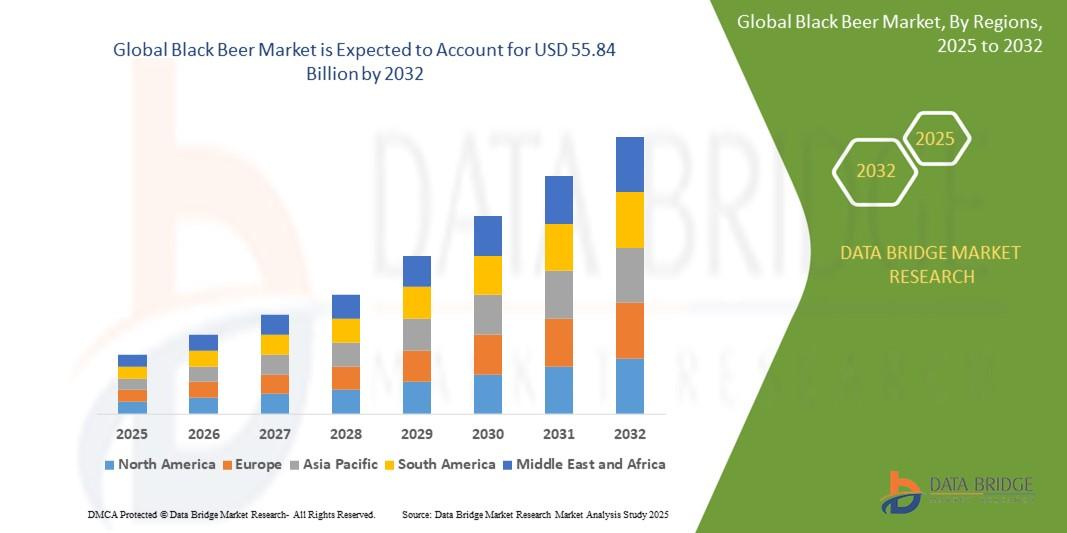
"What’s Fueling Executive Summary Black Beer Market Size and Share Growth CAGR Value The global black beer market size was valued at USD 29.29 billion in 2024 and is expected to reach USD 55.84 billion by 2032, at a CAGR of 8.40% during the forecast period Black Beer Market research report has been produced with the systematic gathering and...
The global Vaccines market is projected to grow impressively, from USD 88.7 Billion in 2025 to USD 166.0 Billion by 2033, expanding at a robust CAGR of 8.4% over the forecast period. This uptrend reflects innovations in vaccine technologies, growing immunization programs worldwide, rising demand for both pediatric and adult vaccines, and the active involvement of leading...