Evaluating the Efficacy of the Modern Global Text to Speech Market Solution

The modern Text to Speech Market Solution, powered by neural networks, provides a highly effective and transformative answer to the fundamental problem of making digital information accessible and consumable through audio. The core problem it solves is that a vast amount of the world's information is locked in a written format, which makes it inaccessible to people with visual impairments or reading disabilities, and inconvenient for everyone else who may want to consume information while multitasking. The TTS solution effectively addresses this by providing a "read-aloud" capability for any digital text. The efficacy of this solution is profound and life-changing in the context of accessibility. For a blind person, it solves the problem of how to read an email, a news article, or a book, providing a level of access to information that was previously impossible. For a person with dyslexia, it provides a tool that can significantly aid in comprehension. This role in promoting digital inclusion is one of the most powerful demonstrations of the solution's efficacy.
A second critical problem solved by the TTS solution is the challenge of providing a safe and natural human-computer interface in "eyes-busy" and "hands-busy" situations. The most prominent example of this is in the automobile. A driver cannot safely look at a screen to read turn-by-turn directions or a text message. The TTS solution effectively solves this problem by converting that visual information into clear, spoken instructions. Its efficacy is measured in enhanced safety and reduced driver distraction. Similarly, a surgeon in an operating room or a factory worker on an assembly line can receive critical, hands-free audio instructions and updates via a TTS-powered system. In the home, the rise of smart speakers is built on this principle. The TTS solution is what allows a user to ask a question from across the room and to get a spoken answer, solving the problem of how to interact with a computer when you are not directly in front of a screen.
The modern TTS solution also provides an effective answer to the business problem of creating scalable and cost-effective audio content. In the past, creating any kind of audio content—from the voice prompts for a phone system to the narration for a training video—required hiring a human voice actor, booking a recording studio, and a lengthy recording and editing process. This was expensive and slow, and it was very difficult to update the content. The modern neural TTS solution provides a highly effective alternative. Its efficacy is its ability to generate high-quality, human-like audio instantly and at a very low cost from a simple text script. A company can now generate the voice-overs for all its corporate training videos in dozens of different languages in a matter of minutes. An automated customer service system can have its voice prompts updated instantly by simply changing a line of text. This solution dramatically reduces the cost and time required to produce high-quality audio content, making it accessible for a much wider range of applications.
Finally, the new generation of TTS is beginning to solve the problem of the impersonal and generic nature of synthetic voices. The robotic voices of the past were functional but lacked personality and were often a poor representation of a brand. The emerging solution of custom neural voices and voice cloning effectively addresses this. The efficacy of this solution is its ability to create a unique and consistent audio identity for a brand or an individual. A company can now create its own exclusive "brand voice" that is used across all its voice-enabled touchpoints, from its virtual assistant to its advertisements, creating a stronger and more recognizable brand identity. For individuals, the ability to create a digital replica of their own voice provides a solution for personal expression and, in the case of those with degenerative speech conditions, a powerful way to preserve a key part of their identity. This move from generic voices to personalized and ownable voices is a highly effective solution for making digital interactions feel more human and authentic.
Explore More Like This in Our Regional Reports:
Us Blockchain Insurance Market
Κατηγορίες
Διαβάζω περισσότερα
Промокод 1xBet 2026 - 1XWAP. Введите его при регистрации на веб-сайте, увеличьте счет на сумму от 100 рублей и получите бонус в габарите +100% (до 32500 руб). Промокоды для записи в 1хБет дают возможность увеличить поздравительный бонус как в букмекерской конторе, так и в казино 1xBet. Предложение использовать промокод безвозмездное. Игроку следует только скопировать код и перейти по...

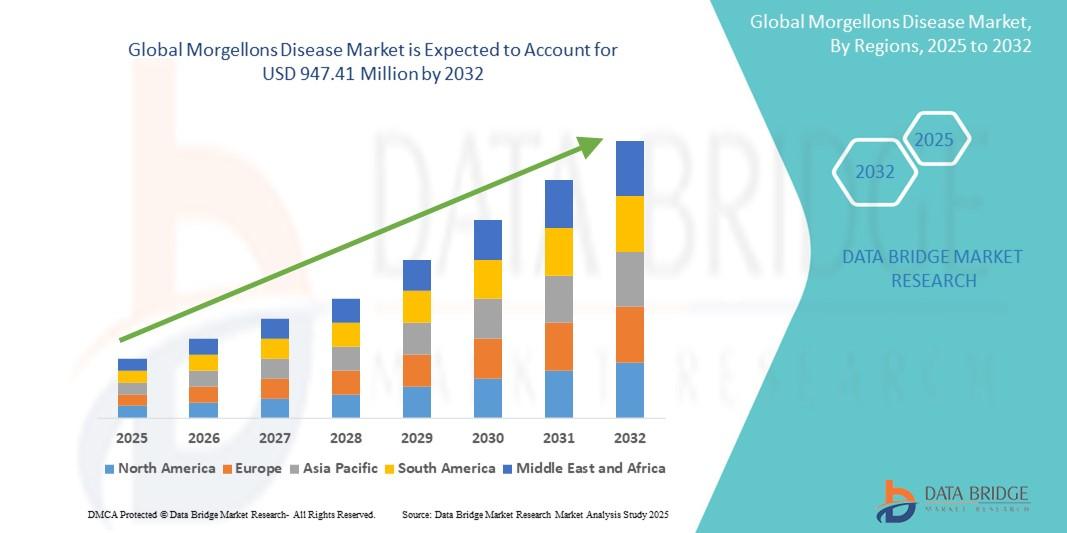
"Detailed Analysis of Executive Summary Morgellons Disease Market Size and Share CAGR Value The global Morgellons Disease market size was valued at USD 568.17 million in 2024 and is expected to reach USD 947.41 million by 2032, at a CAGR of 6.60% during the forecast period When market research report is brilliant and precise, it proves to be a...
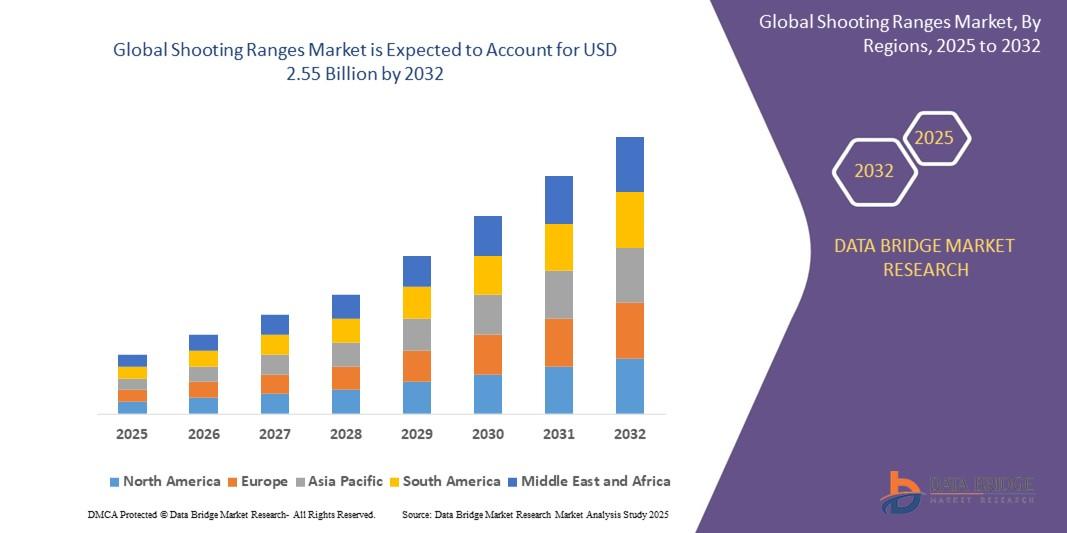
The shooting ranges market is witnessing robust growth, fueled by rising interest in recreational shooting, military training programs, and the adoption of advanced simulation technologies. Increasing investments in defense infrastructure and sports activities are reshaping market demand. Get a full overview of market dynamics, forecasts, and trends. Download the complete Display Market...
Key Drivers Impacting Executive Summary 5-Alpha Reductase Deficiency Market Size and Share CAGR Value The global 5-alpha reductase deficiency market size was valued at USD 1.33 billion in 2024 and is expected to reach USD 2.34 billion by 2032, at a CAGR of 7.30% during the forecast period This global 5-Alpha Reductase Deficiency Market research report...

The global liquid lecithin market size was valued at USD 479.56 million in 2024 and is expected to reach USD 817.84 million by 2032, at a CAGR of 6.90% during the forecast period. The global business landscape is undergoing a transformation, with industries increasingly leaning on deep research and actionable insights to make strategic decisions. One segment seeing...