Key Growth Drivers in the Geothermal ORC Market
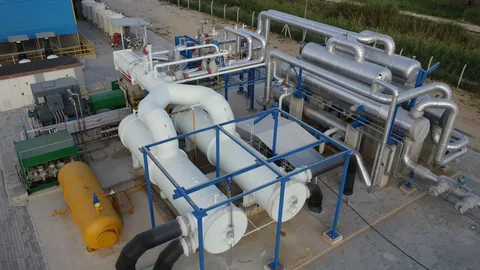
Introduction
The geothermal organic Rankine cycle market is a specialized segment of the global renewable power generation industry, focused on power systems that convert low- to medium-temperature geothermal heat into electricity using organic working fluids. Unlike conventional steam turbines that require high-temperature resources, geothermal ORC systems can efficiently generate power from geothermal reservoirs with lower heat levels. This capability expands the geographic and technical feasibility of geothermal energy, enabling electricity generation from resources previously considered uneconomical.
Geothermal ORC plants use organic fluids with low boiling points to drive turbines, allowing efficient heat-to-power conversion while operating in closed-loop systems. These systems offer high reliability, low emissions, and continuous baseload power generation, making them attractive for sustainable energy strategies. As countries seek diversified renewable portfolios and reliable clean power sources, the geothermal ORC market is gaining momentum worldwide.
Market Drivers
One of the primary drivers of the geothermal ORC market is the growing demand for stable and continuous renewable energy. Unlike solar and wind power, geothermal energy provides consistent baseload electricity independent of weather conditions. ORC technology enables utilization of lower-temperature geothermal resources, significantly expanding the usable geothermal resource base and supporting grid stability.
Global focus on decarbonization and clean energy transition also drives market growth. Governments and utilities are investing in renewable technologies to reduce greenhouse gas emissions and dependence on fossil fuels. Geothermal ORC systems align well with these objectives by delivering low-emission power with minimal land use and long operational lifespans.
Technological improvements further support market expansion. Advances in turbine efficiency, heat exchangers, and working fluids have improved system performance and reduced operational losses. Modular ORC designs also allow scalable deployment, making geothermal ORC projects suitable for small- and medium-capacity power plants.
Market Challenges
Despite its advantages, the geothermal ORC market faces several challenges. High initial capital investment remains a major barrier. Costs associated with geothermal exploration, drilling, and plant installation can be significant, particularly in regions with limited geothermal development experience.
Resource uncertainty also poses challenges. Geothermal projects depend on accurate assessment of subsurface conditions, and variations in temperature, flow rate, or reservoir sustainability can impact project feasibility. This uncertainty increases financial risk during the early stages of project development.
Limited technical expertise in some regions can further restrict adoption. Designing, installing, and maintaining geothermal ORC systems require specialized knowledge and skilled personnel. Lack of local expertise may increase reliance on external contractors and raise overall project costs.
Market Opportunities
Expansion of low-temperature geothermal resources presents strong opportunities for the geothermal ORC market. Many regions possess moderate geothermal potential that is unsuitable for conventional steam-based plants but ideal for ORC technology. Utilizing these resources can significantly increase global geothermal capacity.
Industrial waste heat recovery offers another promising opportunity. ORC systems can be adapted to convert waste heat from industrial processes into electricity, enhancing overall energy efficiency. Integration of ORC technology with geothermal and industrial heat sources broadens application scope and strengthens market potential.
Supportive government policies and incentives also create growth opportunities. Feed-in tariffs, renewable energy credits, and tax incentives improve project economics and attract investment. Regions prioritizing energy independence and renewable diversification are likely to accelerate adoption of geothermal ORC systems.
Regional Insights
Europe holds a significant share of the geothermal ORC market due to strong renewable energy policies and advanced geothermal development. Countries with moderate geothermal resources increasingly deploy ORC plants to expand clean energy capacity while meeting emission reduction targets.
Asia-Pacific represents a growing market driven by rising energy demand and increasing investment in renewable infrastructure. Countries with geothermal potential are exploring ORC technology to maximize resource utilization and support sustainable power generation.
North America also contributes to market growth, supported by geothermal resource availability and technological innovation. Interest in low-temperature geothermal projects and hybrid renewable systems supports steady adoption of ORC-based solutions.
Future Outlook
The future of the geothermal ORC market will be shaped by technology optimization, cost reduction, and broader geothermal resource utilization. Continued improvement in working fluids, turbine design, and heat recovery efficiency is expected to enhance system performance and project viability.
Hybrid energy systems combining geothermal ORC with solar or waste heat sources may gain traction. These configurations improve capacity utilization and overall efficiency, making renewable power generation more flexible and resilient.
Sustainability considerations will remain central to market development. Geothermal ORC systems offer long-term, low-emission power with minimal environmental impact, positioning them as attractive solutions in global clean energy strategies. As investment in renewable baseload power grows, geothermal ORC technology is expected to play an increasingly important role.
Conclusion
The geothermal ORC market is expanding as demand for reliable, low-emission, and continuous renewable power increases. Driven by decarbonization goals, technological advancements, and utilization of low-temperature geothermal resources, the market offers strong long-term potential. While challenges related to capital cost, resource uncertainty, and technical expertise persist, opportunities in moderate geothermal development, waste heat recovery, and supportive policy frameworks strengthen market prospects. As the energy transition accelerates, geothermal ORC systems will remain vital contributors to sustainable and dependable power generation.
Κατηγορίες
Διαβάζω περισσότερα
The global managed security services market was valued at USD 36.58 billion in 2024 and is expected to reach USD 90.31 billion by 2032During the forecast period of 2025 to 2032 the market is likely to grow at a CAGR of 11.96%, primarily driven by growing demand for advanced database security. The global business landscape is undergoing a transformation, with industries increasingly leaning on...

IntroductionThe Automotive Diecast Scale Model Market is gaining strong traction as enthusiasts, collectors, and automotive brands increasingly invest in miniature replicas of vehicles that represent design, craftsmanship, and heritage. Diecast scale models are detailed miniature representations of cars, motorcycles, trucks, and other vehicles made using die-casting techniques that employ metal...

As per MRFR analysis, the Zero-Emission Commercial Fleets market is gaining significant traction as governments and businesses worldwide aim to reduce greenhouse gas emissions and promote sustainable transportation. Zero-emission commercial vehicles, primarily electric trucks, buses, and delivery vans, are transforming the logistics and public transport sectors by offering cleaner,...
Executive Summary Web 3.0 Market Size and Share Across Top Segments The global web 3.0 market size was valued at USD 7.05 billion in 2024 and is expected to reach USD 131.88 billion by 2032, at a CAGR of 44.20% during the forecast period. Web 3.0 Market is a detailed market research report that serves many purposes and gives the business a competitive...
The global Hashimoto’s Disease Market was valued at USD 1.08 billion in 2024 and is expected to reach USD 1.42 billion by 2032During the forecast period of 2025 to 2032 the market is likely to grow at a CAGR of 3.50%, primarily driven by the rising prevalence of Hashimoto’s disease. The global business landscape is undergoing a transformation, with industries increasingly leaning on...