The Evolution of All-in-One Automotive Lighting
Introduction
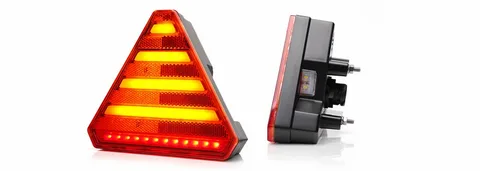
The automotive multifunctional lamp market focuses on integrated lighting systems that combine multiple lighting functions into a single compact unit. These lamps may include combinations of tail lamps, brake lights, turn indicators, reverse lights, daytime running lights, fog lights, and position lamps within one housing. Multifunctional lamps are designed to improve vehicle safety, enhance exterior styling, and optimize space utilization. As automotive design becomes more streamlined and technology-driven, multifunctional lamps are increasingly used across passenger cars, SUVs, and commercial vehicles to deliver both functional efficiency and visual appeal.
Market Drivers
The market is driven by rising demand for enhanced vehicle safety and efficient lighting solutions. Multifunctional lamps improve visibility and signaling clarity by consolidating critical lighting functions into well-coordinated systems. Increasing traffic density and stricter road safety regulations push automakers to adopt lighting systems that ensure clear communication of vehicle intentions. Growth in vehicle production globally directly supports market expansion, especially as multifunctional lamps are becoming standard rather than optional features. Consumer preference for modern vehicle aesthetics also plays a major role, as integrated lighting designs contribute to sleek and distinctive exterior appearances. Advancements in LED technology further accelerate adoption by enabling compact, energy-efficient, and long-lasting multifunctional lamp designs.
Market Challenges
Despite strong growth, the automotive multifunctional lamp market faces challenges related to system complexity, cost, and maintenance. Integrating multiple lighting functions into a single unit increases design and engineering complexity, requiring precise optical alignment and electronic control. Failure of one component within a multifunctional lamp may require replacement of the entire unit, increasing repair costs. Automakers face pressure to balance advanced lighting features with cost constraints, particularly in entry-level and mass-market vehicles. Regulatory variations across regions regarding lighting color, brightness, and placement add further complexity for global manufacturers. Ensuring durability under vibration, temperature changes, and environmental exposure remains a key technical challenge.
Market Opportunities
The market offers significant opportunities through technological innovation and design differentiation. Adoption of LED and OLED technologies enables thinner lamp profiles, dynamic lighting effects, and improved energy efficiency. Smart multifunctional lamps that adapt brightness and patterns based on driving conditions enhance safety and user experience. Growth of electric vehicles creates opportunities for distinctive lighting designs that differentiate EV models and support brand identity. Integration with advanced driver assistance systems opens possibilities for lamps to provide visual alerts and communication cues. Expansion of connected and autonomous vehicle concepts further increases demand for multifunctional lighting systems that support external signaling and interaction.
Regional Insights
Regional demand varies based on vehicle production levels, safety regulations, and design trends. Asia-Pacific dominates the automotive multifunctional lamp market due to high vehicle manufacturing volumes in countries such as China, Japan, South Korea, and India. Rapid adoption of LED lighting and growing demand for feature-rich vehicles support strong growth. Europe shows steady demand driven by strict vehicle safety standards and widespread use of advanced lighting technologies, particularly in premium vehicles. North America remains a significant market supported by SUV and pickup sales and emphasis on safety and styling. Latin America and the Middle East show gradual growth as vehicle lighting standards improve, while Africa remains an emerging market with long-term potential.
Future Outlook
The future of the automotive multifunctional lamp market will be shaped by digitalization, electrification, and intelligent lighting systems. Lamps will increasingly incorporate adaptive and programmable features that respond to vehicle speed, weather, and traffic conditions. Use of software-controlled lighting patterns may enable customization and over-the-air updates. As autonomous vehicles develop, multifunctional lamps will play a role in external communication with pedestrians and other vehicles. Sustainability considerations will influence material selection and manufacturing processes. Overall, multifunctional lamps are expected to evolve from simple lighting units into smart, interactive vehicle components.
Conclusion
The automotive multifunctional lamp market is an essential segment of modern vehicle lighting, combining multiple functions to enhance safety, efficiency, and design. By consolidating lighting elements into integrated units, multifunctional lamps support streamlined vehicle architectures and improved visual appeal. While challenges related to cost, complexity, and regulation exist, continuous advancements in lighting technology and growing safety expectations continue to drive market growth. As vehicles become smarter and more connected, multifunctional lamps will remain key components shaping the future of automotive lighting systems.
Check out closely related automotive market reports for extended insights:
Automotive Suspension System Market
Κατηγορίες
Διαβάζω περισσότερα
"Regional Overview of Executive Summary Paper Based Containers Market by Size and Share CAGR Value The global paper based containers market size was valued at USD 104.69 billion in 2024 and is expected to reach USD 155.73 billion by 2032, at a CAGR of 5.09% during the forecast period of 2025 to 2032 With the superior Paper Based Containers Market report,...

If you’re looking to dive into online gaming, I highly recommend starting with CasinosSpot’s reviews. They simplify the decision-making process by combining reliability, safety, and fun in one comprehensive resource. CasinosSpot evaluates each casino based on the range of games offered, including slots, table games, and live dealer experiences. This ensures that players not only...

Solar Backsheet Market Trends: Focus on recyclable, eco-friendly backsheet materials. The Solar Backsheet Market is undergoing several significant trends, fundamentally reshaping product design, material choice, and manufacturing processes. These trends are primarily centered on enhancing module performance, reducing system costs, and aligning with environmental sustainability goals. The most...

When selecting roofing materials for your building, Chinese-style Roofing Materials offer a unique combination of aesthetic beauty and superior durability. These materials, inspired by centuries of Chinese architecture, are becoming increasingly popular in modern constructions for their ability to withstand the test of time while adding a traditional touch to any structure. One of the main...

In a rapidly digitizing world, businesses ISO 27001 Certification in South Africa face increasing threats to data security, privacy, and regulatory compliance. Cyberattacks, data breaches, and ransomware incidents are rising, impacting organizations across industries—from finance and healthcare to logistics, telecom, retail, and government services. As companies embrace cloud computing,...