A Simple Motor Changing City Travel
Introduction
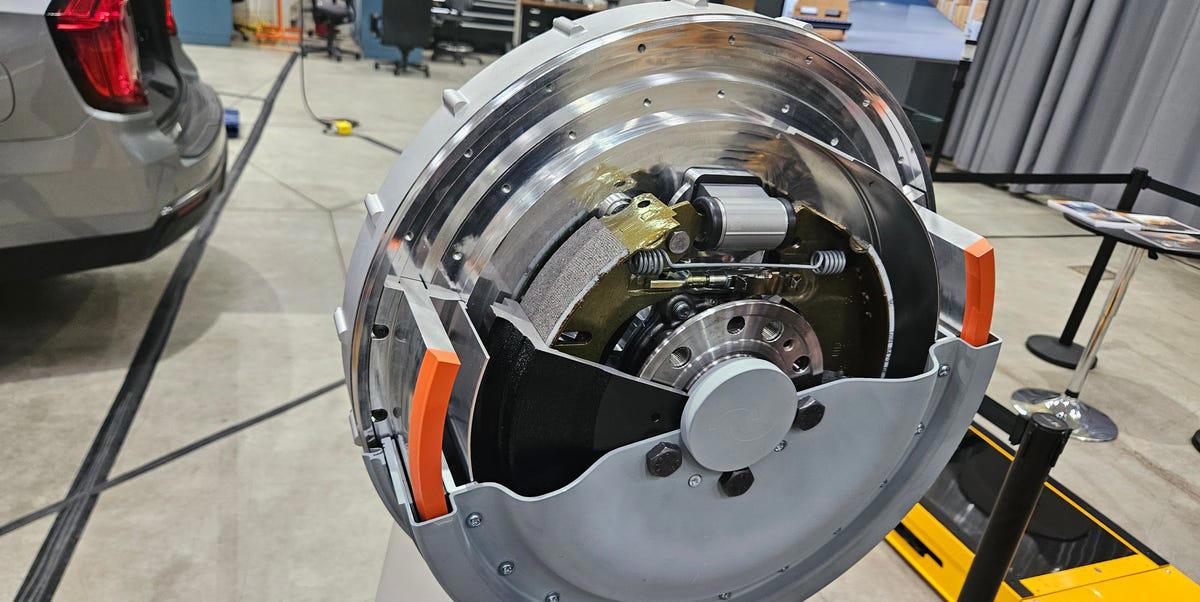
The hub motor market focuses on electric motors integrated directly into the wheels of electric bicycles, scooters, motorcycles, wheelchairs, and small electric vehicles. Unlike traditional drivetrains, hub motors eliminate the need for chains, belts, or gear systems by delivering power straight to the wheel. This design offers smoother operation, reduced mechanical losses, lower maintenance, and quieter performance. As electric mobility grows rapidly across urban environments, hub motors are becoming a preferred choice for lightweight EVs due to their simplicity, efficiency, and compact structure. The market continues to expand as consumers and manufacturers seek reliable and cost-effective electric propulsion solutions.
Market Drivers
The growth of the hub motor market is driven by the rising global adoption of electric bicycles and scooters. Urban mobility challenges, increasing fuel prices, and growing environmental awareness are pushing consumers toward electric two-wheelers equipped with hub motors. Governments worldwide are supporting e-mobility through subsidies and infrastructure development, further boosting demand. Advances in motor technology, battery efficiency, and lightweight materials enhance the performance of hub motors. Their low maintenance and ease of installation make them attractive for both manufacturers and aftermarket conversions. The rapid rise of last-mile delivery services and rental e-scooter fleets also contributes significantly to market expansion.
Market Challenges
Despite strong growth, the hub motor market faces several challenges. Hub motors add weight to the wheel, which can impact handling, especially in high-speed or performance-oriented vehicles. Limited torque compared to mid-drive motors restricts their effectiveness on steep inclines or heavy-load applications. Heat dissipation can be an issue, as the motor is enclosed within the wheel and exposed to road conditions. Water ingress and impact damage pose durability concerns without proper sealing. Some users prefer mid-drive systems for balanced weight distribution and better climbing performance, creating competitive pressure. Additionally, low-cost hub motors from unregulated markets may compromise quality and reliability.
Market Opportunities
The market offers significant opportunities as electric micro-mobility continues to grow. Increasing demand for e-bikes, e-scooters, and shared mobility fleets presents a strong customer base. Advances in brushless motor technology, regenerative braking, and integrated motor–controller designs are improving efficiency and performance. Lightweight hub motors for electric wheelchairs and medical mobility devices represent another growing segment. Emerging markets in Asia, Africa, and Latin America offer substantial growth potential due to increasing urbanization and cost-sensitive transportation needs. The development of high-torque and dual-hub motor systems for off-road electric bikes and small EVs creates additional opportunities. As battery technology evolves, hub motors will become more capable and widely adopted.
Regional Insights
Demand for hub motors varies globally based on urban mobility trends and EV adoption rates. Asia-Pacific dominates the market due to high production capacity and strong adoption of electric two-wheelers in China, India, Japan, and Southeast Asia. Europe is a major market for e-bikes, driven by cycling culture, sustainability goals, and supportive government policies. North America is experiencing growing demand for e-bikes, electric scooters, and recreational mobility devices in the United States and Canada. The Middle East sees rising adoption of electric mobility solutions in urban areas, while Latin America and Africa are emerging markets driven by cost-effective mobility needs and expanding EV infrastructure.
Future Outlook
The future of the hub motor market appears promising as electric mobility expands across cities worldwide. Innovations will focus on improving torque output, reducing weight, enhancing heat management, and integrating smart features such as IoT monitoring and regenerative braking. Hub motors will play a key role in lightweight EVs and personal transportation devices. As sustainability becomes increasingly important and public transportation systems evolve, hub motors will remain a core technology for efficient urban mobility. With continuous advancements and expanding global acceptance, the market is expected to grow steadily in the coming years.
Conclusion
The hub motor market is transforming urban mobility by offering simple, efficient, and low-maintenance electric propulsion solutions. These motors power millions of e-bikes, scooters, and personal mobility devices worldwide. While challenges related to torque, weight distribution, and heat management exist, technological improvements and rising demand for electric mobility continue to drive strong growth. As cities evolve and consumers seek affordable, eco-friendly transportation, hub motors will remain an essential part of the modern mobility landscape.
Catégories
Lire la suite
Latest Insights on Executive Summary Europe Medical Device Regulatory Affairs Outsourcing Market Market Share and Size CAGR Value Data Bridge Market Research analyses that the market is growing with a CAGR of 12.8% in the forecast period of 2021 to 2028 and is expected to reach USD 11,935.77 million by 2028. Objectives of the Market research are kept in mind while preparing...

Executive Summary Time Division Multiple Access Market Trends: Share, Size, and Future Forecast The global time division multiple access market size was valued at USD 7.18 billion in 2024 and is expected to reach USD 9.99 billion by 2032, at a CAGR of 4.2% during the forecast period. Being an excellent market research report, Time Division...
The integrity of a business is measured not only by the quality of its products but also by its relationship with the communities it touches. In today's interconnected world, a company's social license to operate is earned through transparent practices, ethical conduct, and a genuine commitment to the well-being of both people and the planet. Operations that prioritize short-term gains over the...

Executive Summary Ustekinumab Market Size and Share: Global Industry Snapshot CAGR Value The global ustekinumab market size was valued at USD 12.07 billion in 2024 and is expected to reach USD 19.09 billion by 2032, at a CAGR of 5.90% during the forecast period Businesses can depend with confidence upon this superior Ustekinumab Market report to bring about an utter success. An...
"Market Trends Shaping Executive Summary Data Centre Transformation Market Size and Share CAGR Value The Data Center Transformation Market size was valued at USD 10.75 billion in 2024 and is expected to reach USD 22.62 billion by 2032, at a CAGR of 9.75% during the forecast period An excellent Data Centre Transformation Market report gives out...
