difference between fillers and biostimulators
When exploring non-surgical facial rejuvenation treatments, two options that often stand out are dermal fillers and biostimulators. While both treatments aim to restore youthful appearance and address signs of ageing, they work through fundamentally different mechanisms and deliver distinct results. Understanding the difference between fillers and biostimulators is crucial to making an informed decision about which treatment best aligns with your aesthetic goals.
What Are Dermal Fillers?
Dermal fillers are injectable gel-like substances designed to add immediate volume to specific areas of the face. Most commonly used types are made with hyaluronic acid, a substance your body naturally produces that helps draw in and lock moisture. When injected beneath the skin's surface, fillers physically fill spaces, smooth wrinkles, and restore lost volume.
Fillers work by creating instant results. They can plump thin lips, enhance shallow contours, soften facial creases, and improve the appearance of recessed scars. The effects are visible immediately after treatment, making them an attractive option for those seeking a quick transformation before special events or occasions.
The longevity of dermal fillers typically ranges from six months to two years, depending on the product used, the treatment area, and individual metabolism. Because the body eventually absorbs fillers, maintenance treatments are necessary to preserve results.
Understanding Biostimulators
Biostimulators represent a different approach to facial rejuvenation. Rather than simply filling spaces, these injectable treatments stimulate the body's own collagen production. Products like Sculptra and Radiesse contain biocompatible substances that trigger the skin's natural healing response, gradually rebuilding the underlying collagen structure.
The key distinction is that biostimulators work with your body rather than merely adding volume. After injection, the biostimulator particles remain in the tissue and encourage fibroblasts to produce new collagen over time. This process happens gradually, with results developing over several weeks to months.
Biostimulators are particularly effective for addressing overall facial volume loss, improving skin texture and thickness, and providing subtle, natural-looking rejuvenation. Because they stimulate your body's own collagen production, results can last significantly longer than traditional fillers, often between two and five years.
Key Differences between fillers and biostimulators
The fundamental difference between fillers and biostimulators lies in how they achieve their effects. Fillers provide mechanical volume replacement, functioning as physical spacers beneath the skin. They occupy space and push outward, creating immediate lift and fullness.
Biostimulators, conversely, initiate a biological response. They don't directly add volume; instead, they activate your body's natural regenerative processes. This biological mechanism means improvements develop over time as new collagen forms, resulting in gradual, progressive enhancement.
Results Timeline and Longevity
When comparing results, timing is a significant differentiator. Dermal fillers deliver instant gratification with visible improvements immediately following treatment. You can literally watch your appearance transform during the appointment.
Biostimulators require patience. Initial results may appear subtle, with full effects becoming evident after several weeks or months as collagen production increases. Multiple treatment sessions spaced weeks apart are often recommended to achieve optimal outcomes.
However, biostimulators typically provide longer-lasting results. While fillers gradually dissolve and require regular touch-ups, the collagen stimulated by biostimulators becomes part of your natural tissue structure, offering more enduring improvements.
Ideal Treatment Areas
Fillers excel in specific targeted areas. They're ideal for lip enhancement, filling nasolabial folds, augmenting cheeks, addressing under-eye hollows, and contouring facial features. Their precision makes them perfect for addressing discrete concerns.
Biostimulators are better suited for treating larger areas and overall facial volume loss. They work well for addressing hollow temples, sunken cheeks, ageing hands, and improving skin quality across broader regions. Their diffuse effect creates comprehensive rejuvenation rather than focused augmentation.
Which Treatment Is Right for You?
Choosing between fillers and biostimulators depends on several factors. Consider your aesthetic goals, desired timeline for results, budget, and the specific concerns you're addressing.
If you want immediate results for a specific feature or event, dermal fillers are likely your best choice. They're also preferable if you're interested in trying enhancements without long-term commitment, as hyaluronic acid fillers can be dissolved if needed.
If you're looking for comprehensive facial rejuvenation, natural-looking gradual improvement, and longer-lasting results, biostimulators may be a better option. They're excellent for those experiencing overall volume loss and diminished skin quality due to ageing.
Conclusion
The difference between fillers and biostimulators represents two distinct philosophies in aesthetic medicine: immediate enhancement versus stimulated regeneration. Both treatments have valuable roles in facial rejuvenation, and many practitioners recommend combining them strategically for optimal results. Consulting with an experienced aesthetic professional will help you determine which approach or combination best addresses your unique concerns and achieves your desired aesthetic outcome.
Kategorien
Mehr lesen
Global Executive Summary Acoustic Medicine and Ultrasound Therapy Market: Size, Share, and Forecast CAGR Value The global acoustic medicine and ultrasound therapy market size was valued at USD 1.91 billion in 2024 and is expected to reach USD 3.02 billion by 2032, at a CAGR of 5.87% during the forecast period The Acoustic Medicine and Ultrasound Therapy...

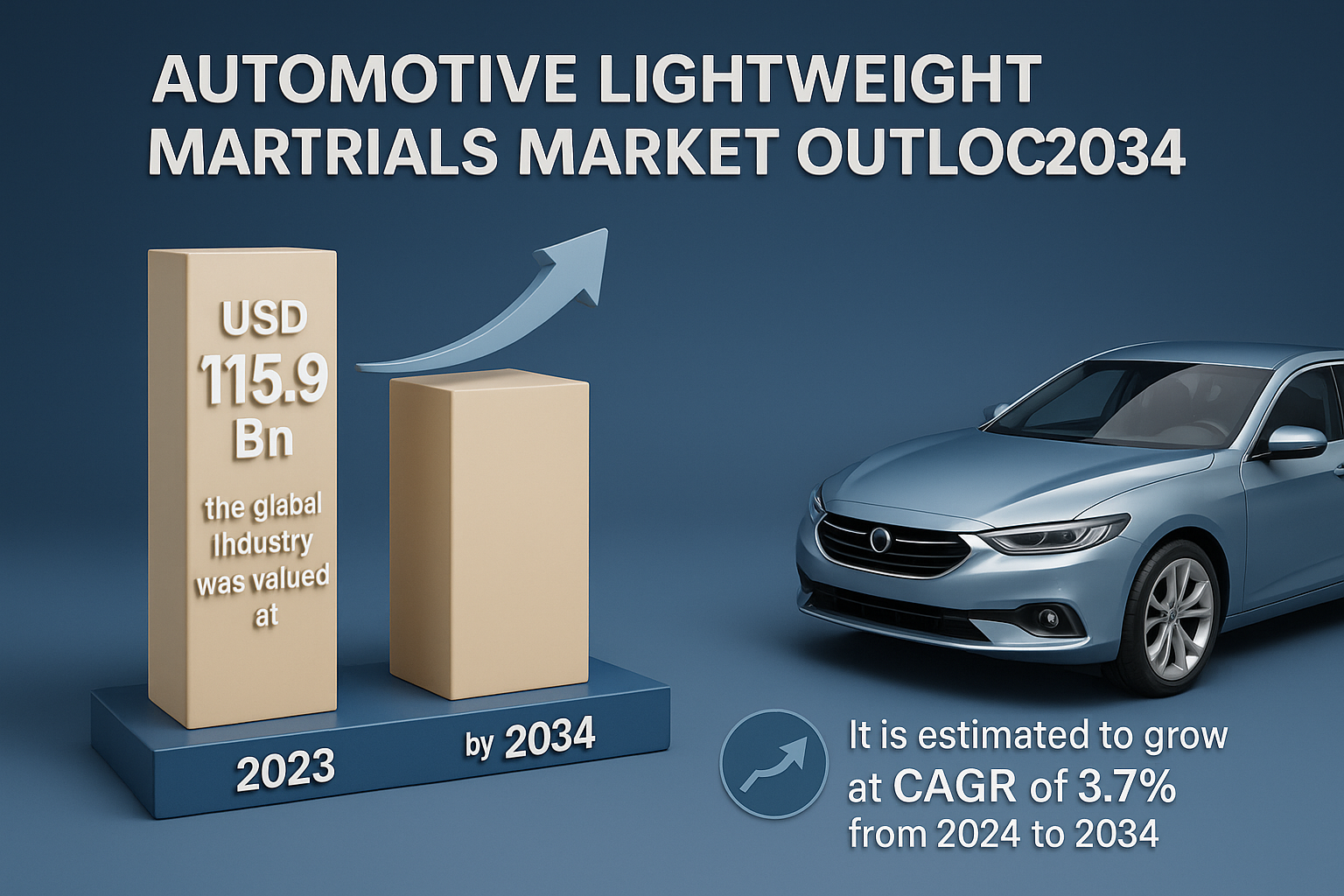
The Automotive Lightweight Materials Market is poised for steady expansion, with the global industry valued at USD 77.0 billion in 2023 and projected to reach USD 115.9 billion by 2034. This growth, advancing at a CAGR of 3.7% from 2024 to 2034, is driven by rising demand for fuel-efficient vehicles, stringent emission regulations, and the increasing adoption of...
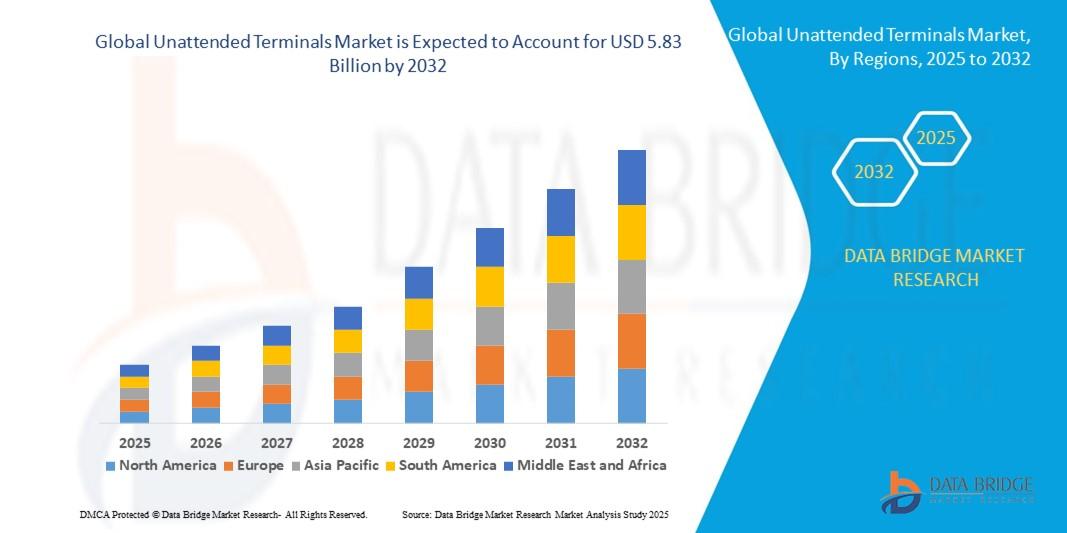
"Latest Insights on Executive Summary Unattended Terminals Market Share and Size CAGR Value The global unattended terminals market size was valued at USD 2.95 billion in 2024 and is expected to reach USD 5.83 billion by 2032, at a CAGR of 8.9% during the forecast period To produce the best market research report, a wide range of objectives is required...
In-Depth Study on Executive Summary Europe Shiitake Mushroom Market Size and Share The shiitake mushroom market is expected to gain market growth in the forecast period of 2022 to 2029. Data Bridge Market Research analyses that the market is growing with a CAGR of 8.5% in the forecast period of 2022 to 2029 and is expected to reach USD 477.35 million by 2029. Europe Shiitake...
"Global Demand Outlook for Executive Summary Leather Chemicals Market Market Size and Share Data Bridge Market Research analyses that the leather chemicals market which was USD 8.33 billion in 2022, is expected to reach USD 13.48 billion by 2030, and is expected to undergo a CAGR of 6.2% during the forecast period of 2023 to 2030. This Leather Chemicals Market Market report...