The End-to-End Architecture: Deconstructing the Modern 5G IoT Market Platform

To deliver the promise of next-generation connectivity, a sophisticated and deeply integrated technology stack is required, extending far beyond the radio towers. The modern 5G Iot Market Platform is a comprehensive, end-to-end architecture that manages the entire data journey, from the sensor on the edge device to the application in the cloud. This platform is not a single product but a layered system that encompasses device management, connectivity control, data processing, and application enablement. Its primary goal is to abstract the immense complexity of the underlying network and provide developers and enterprises with a simplified, secure, and scalable environment for building and deploying 5G IoT solutions. The design of this platform, with its emphasis on software-defined principles, open APIs, and the convergence of telecommunications and cloud computing, is what enables the flexibility and power that differentiate 5G from all previous generations of wireless technology, making it a true platform for innovation.
The foundational layer of the platform is the Connectivity and Device Management plane. This is where the lifecycle of the IoT devices and their network connections is managed. A key technology here is the evolution of the SIM card, from physical SIMs to embedded SIMs (eSIMs) and integrated SIMs (iSIMs). These allow for remote provisioning and management of cellular profiles, making it possible to deploy devices globally and switch network operators without physically touching the device. The platform provides tools for activating and deactivating connections, monitoring data usage, and setting policies. It also includes robust device management capabilities, such as performing secure over-the-air (OTA) firmware and software updates, monitoring device health, and managing security credentials. Major players in this space include telecommunication equipment manufacturers like Ericsson (with its IoT Accelerator platform) and specialized IoT connectivity platform providers like Cisco and Pelion, who offer a single pane of glass to manage a global fleet of connected devices across multiple mobile networks.
The next critical layer is the Data and Edge Computing plane. The sheer volume of data generated by many 5G IoT applications makes it impractical or inefficient to send everything to a centralized cloud. This has given rise to the crucial role of edge computing within the 5G platform architecture. Edge computing involves deploying compute and storage resources closer to the data source—either on the device itself, at the cell tower site (Multi-access Edge Computing or MEC), or on-premises in a private 5G deployment. This allows for the real-time processing of data, which is essential for low-latency applications like industrial robotics or autonomous vehicle safety systems. The platform provides the tools to manage and orchestrate these distributed edge workloads. Data can be filtered, aggregated, and analyzed at the edge, with only the most important insights or summary data being sent to the cloud. This approach dramatically reduces latency, saves on backhaul bandwidth costs, and enhances data privacy by keeping sensitive information localized. The tight integration between the 5G network and edge computing resources is a defining feature of the 5G platform.
The top layer of the platform is the Application Enablement and Network Services plane. This is where the unique capabilities of the 5G network are exposed to developers and enterprises as programmable services. The most important of these services is Network Slicing. The platform provides APIs that allow an enterprise to request a network slice with specific, guaranteed Quality of Service (QoS) parameters, such as a minimum bandwidth or a maximum latency. This ability to programmatically create and manage dedicated virtual networks on demand is a revolutionary concept for cellular technology. This layer also includes the Application Enablement Platform (AEP), which provides developers with a set of tools, SDKs, and high-level APIs to simplify the process of building IoT applications. Instead of dealing with the low-level complexities of the network, developers can work with simple abstractions to send data, manage devices, and leverage network services. This application-centric approach, driven by a software-defined, API-first philosophy, is what transforms the 5G network from a simple communication pipe into a powerful, programmable platform for innovation.
Top Trending Reports:
Categorii
Citeste mai mult
The latest business intelligence report released by Polaris Market Research on E-Commerce Logistics Market Size, Share, Trends, Industry Analysis Report: By Service Type, Operational Mode (Domestic and International), Business Model, and Region (North America, Europe, Asia Pacific, Latin America, and Middle East & Africa) – Market Forecast, 2025–2034. It covers the in-depth...

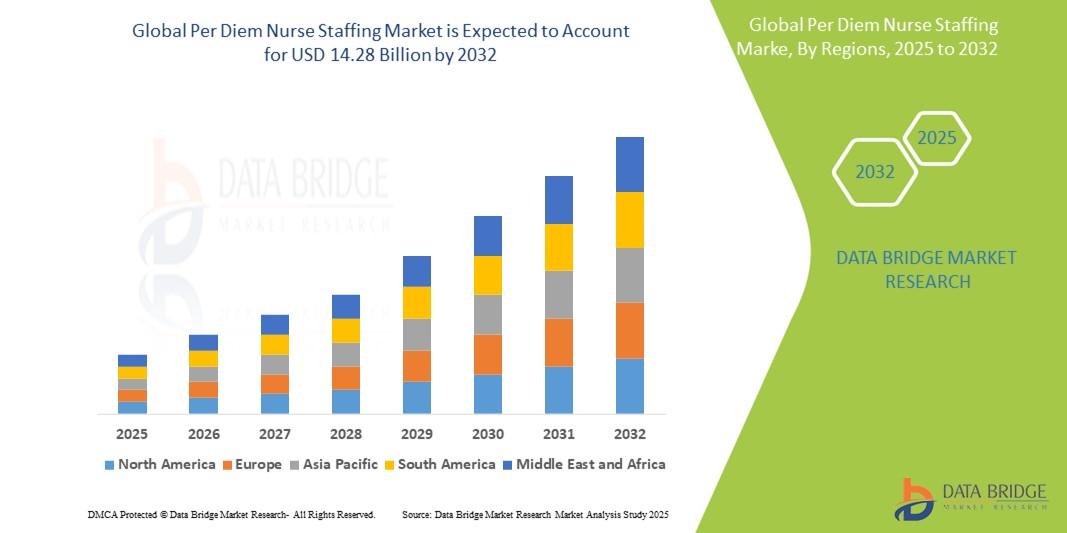
"Executive Summary Per Diem Nurse Staffing Market: Share, Size & Strategic Insights CAGR Value The global per diem nurse staffing market size was valued at USD 9.37 billion in 2024 and is expected to reach USD 14.28 billion by 2032, at a CAGR of 5.40% during the forecast period Per Diem Nurse Staffing Market report is structured with the best and advanced tools of collecting,...
Executive Summary Bare Metal Cloud Market: Growth Trends and Share Breakdown The Global bare metal cloud market size was valued at 10.32 billion in 2024 and is expected to reach USD 85.66 billion by 2032, at a CAGR of 31.3% during the forecast period. The Bare Metal Cloud report has been formed with the appropriate expertise's that utilize established and...

Executive Summary Menopause Drug Market Size, Share, and Competitive Landscape Menopause drug market size is projected to grow at a compound annual growth rate of 4.7% over the forecast period of 2022 to 2029. This Menopause Drug Market report has been generated by keeping in mind all the requirements of the businesses for thriving successful business growth. This information...
Executive Summary Counter Improvised Explosive Device (IED) Market: Share, Size & Strategic Insights The global counter improvised explosive device (IED) market size was valued at USD 1.64 billion in 2024 and is expected to reach USD 2.25 billion by 2032, at a CAGR of 4.05% during the forecast period. Counter Improvised Explosive Device (IED) Market...